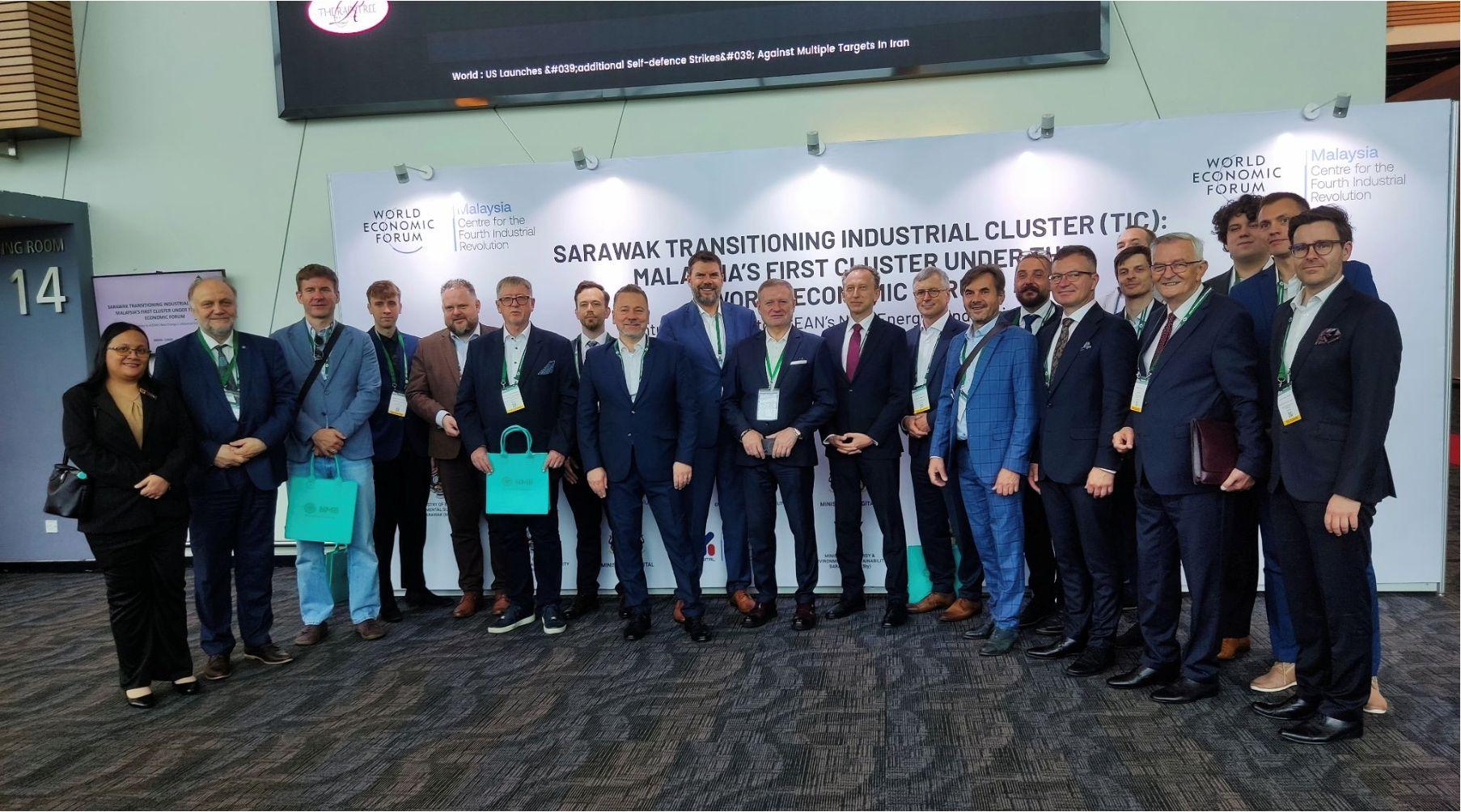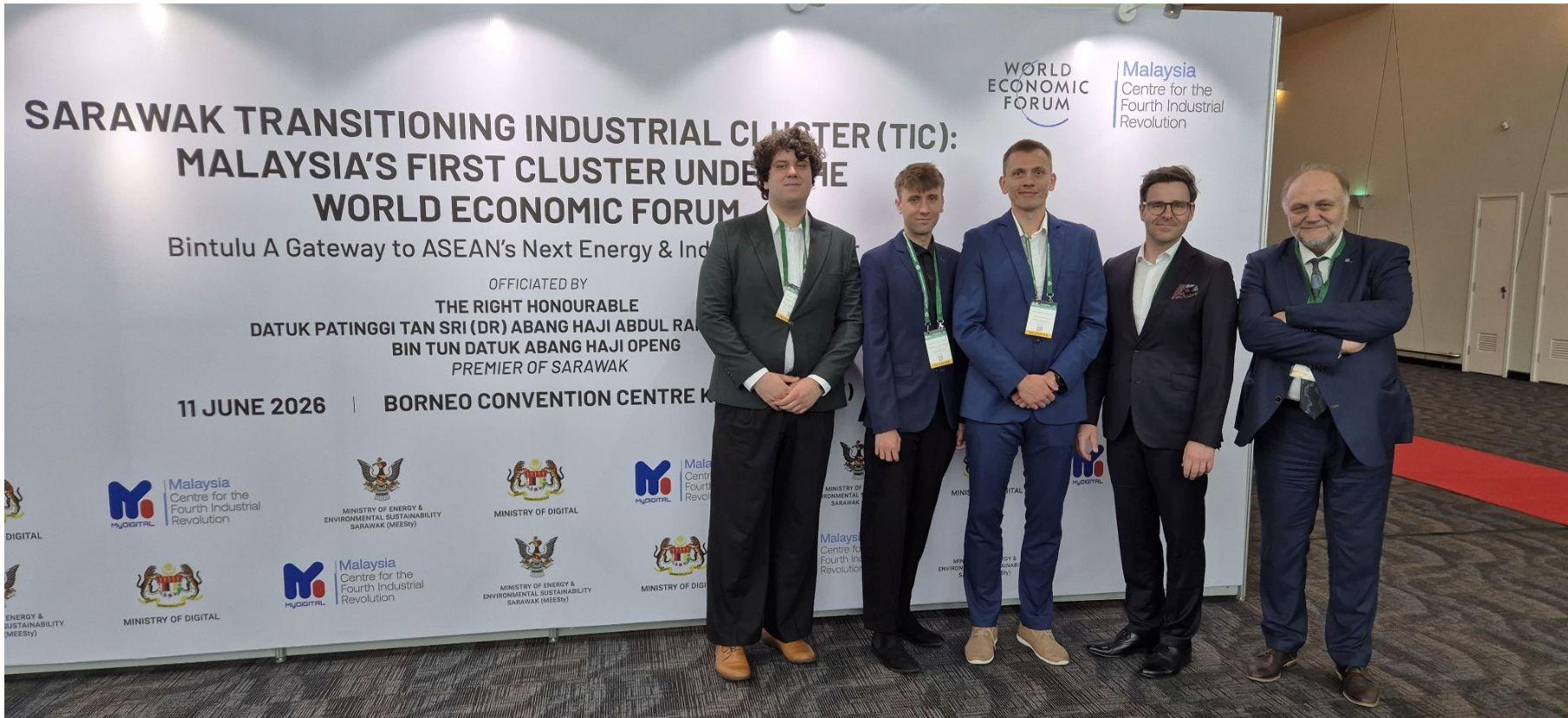
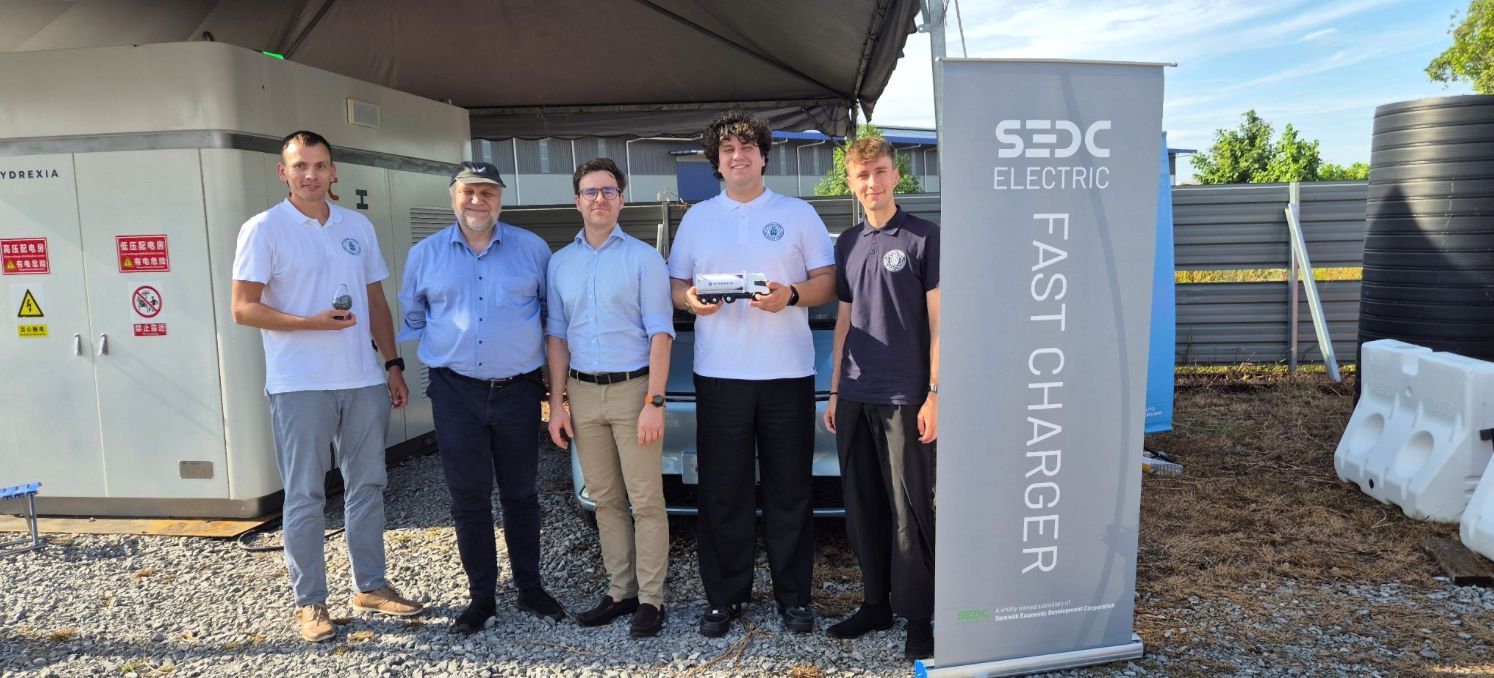
From 7 to 13 June 2026, representatives of the Wielkopolska Region participated in a business and scientific mission to Malaysia, covering the State of Sarawak and the country’s capital, Kuala Lumpur. The main objective of the visit was to establish business and scientific cooperation and exchange experience with organisations contributing to the local and global ecosystem in the fields of green hydrogen, biomass and renewable energy sources.
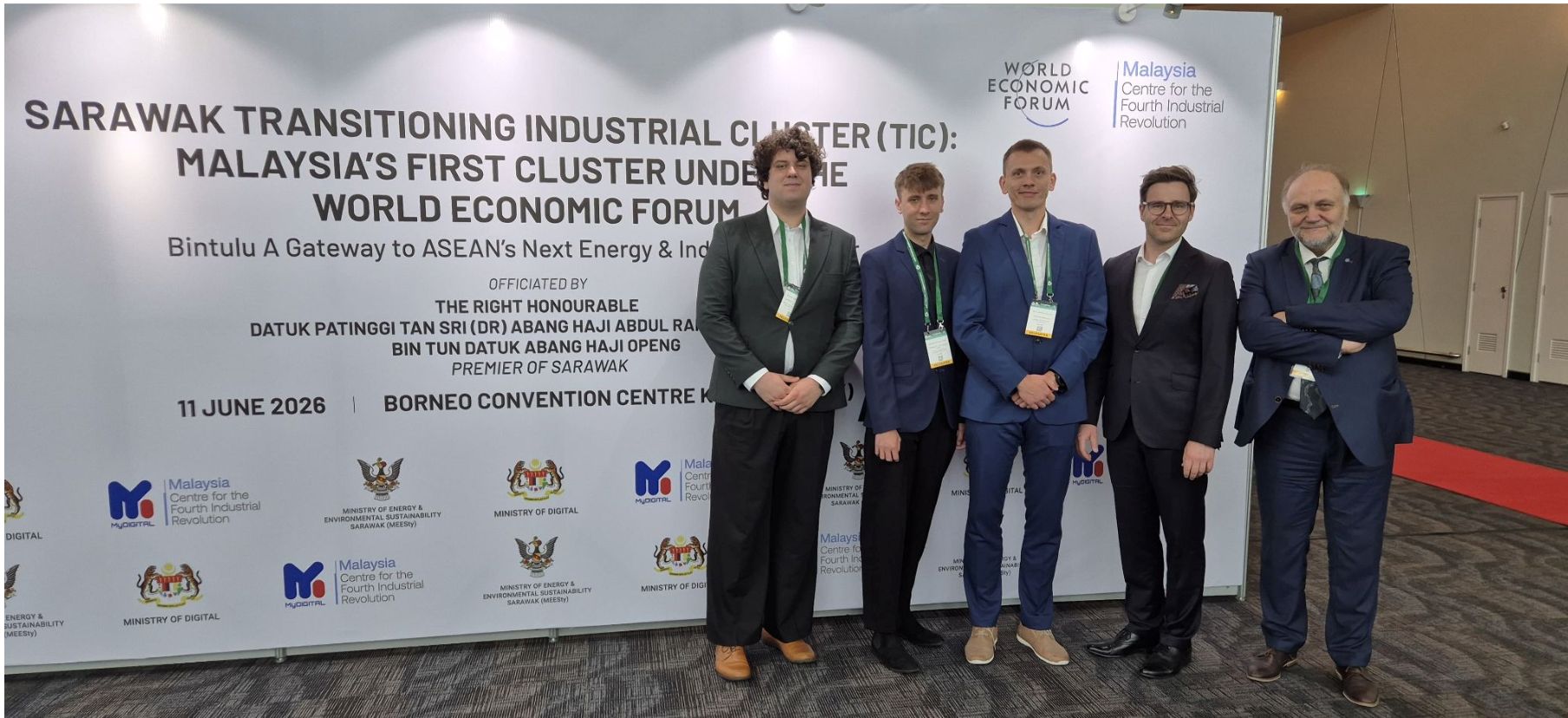
The delegation included staff and students of Poznan University of Technology: Prof. Michał Wieczorowski, Wojciech Karpiuk, PhD; Maciej Siedlecki, PhD; Sebastian Freda, Eng. (President of the PUT Powertrain Student Research Group); and Mateusz Bluszcz (President of the Jet Riders Student Research Group). The mission was an official return visit following the visit of representatives of the Sarawak State authorities to the Wielkopolska Region in 2024 and was aimed at strengthening bilateral cooperation in the clean energy sector.
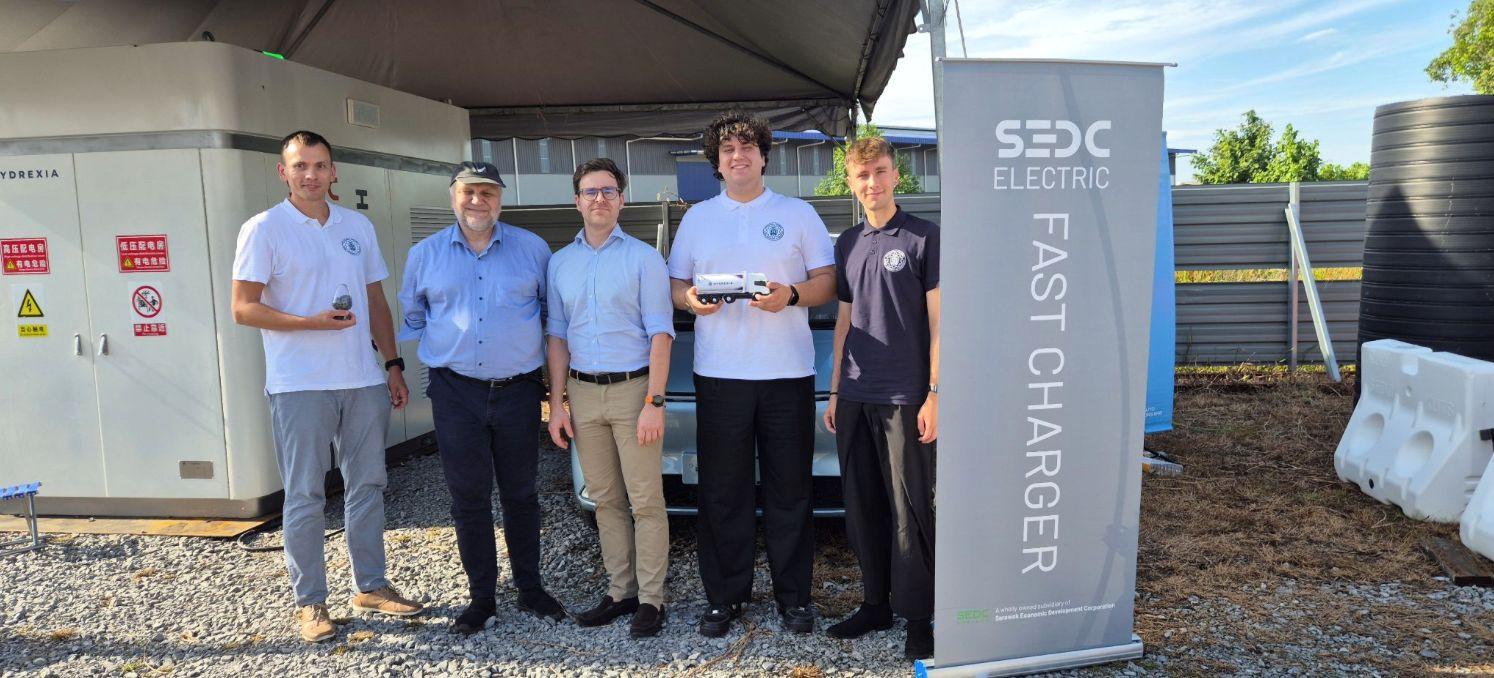
A key element of the programme was the delegation’s participation in the Asia Pacific Green Hydrogen (APGH) 2026 event in Kuching. During the exhibition and accompanying conference, representatives of the Wielkopolska Region analysed technological solutions currently available on the Asian market. The delegation actively participated in panel discussions, including the International Dialogue, during which Prof. Michał Wieczorowski delivered a presentation.
The delegation also participated in a high-level roundtable discussion on hydrogen and clean energy, coordinated by Dato Sri Dr. Muhammad Abdullah bin Haji Zaidel, Deputy State Secretary for Economic Planning and Development of Sarawak. The discussions focused on identifying potential economic synergies between the two regions. Preliminary concepts for joint research and development projects and investment initiatives in the hydrogen sector were also formulated during the talks.
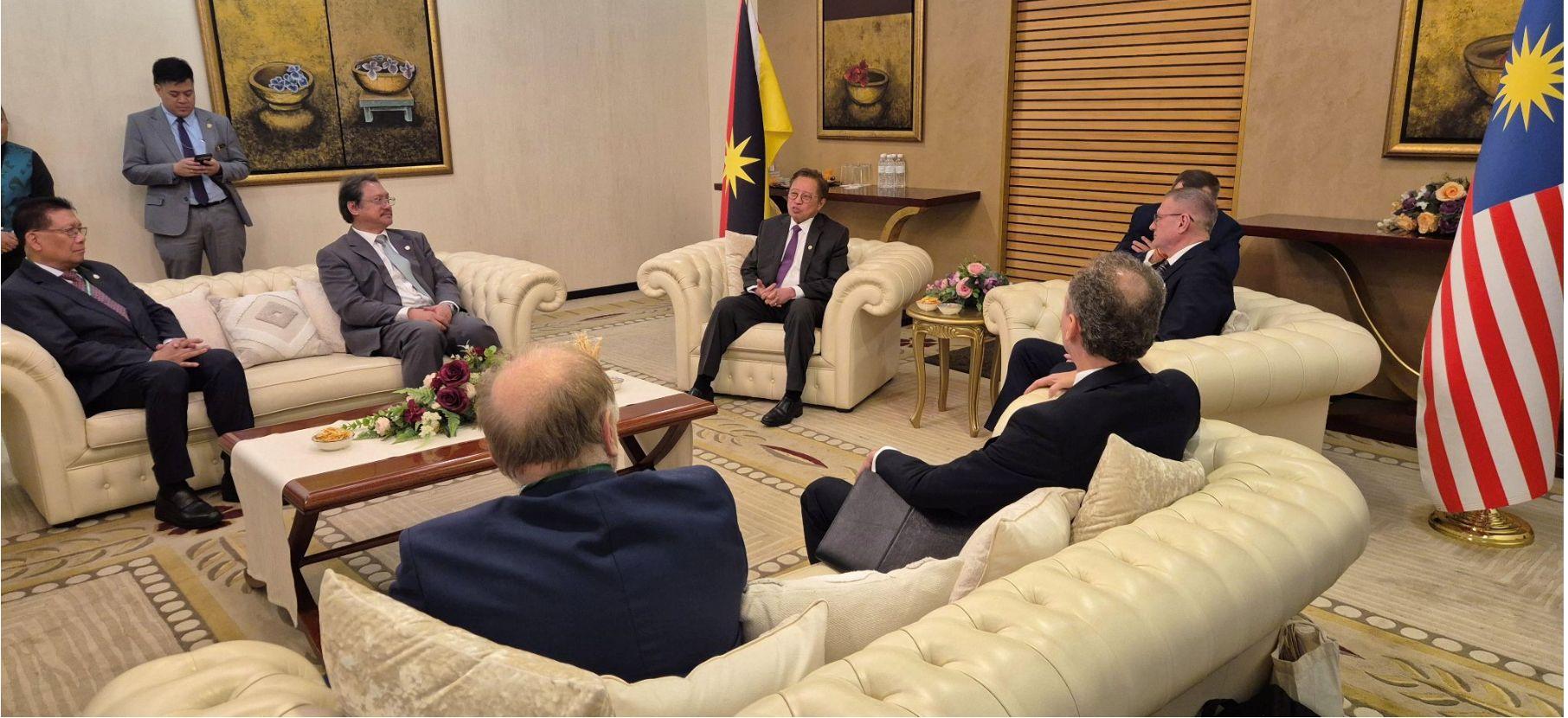
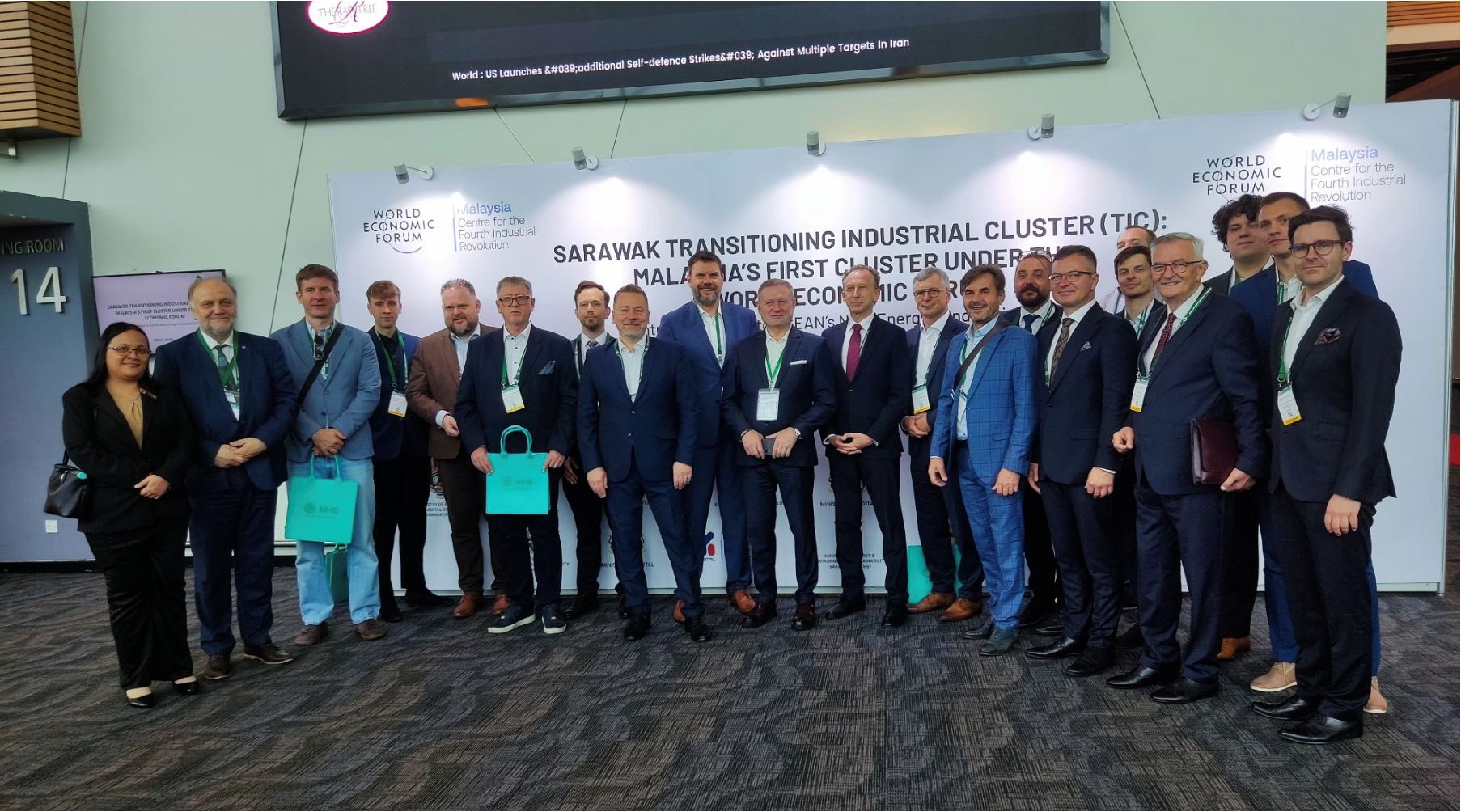
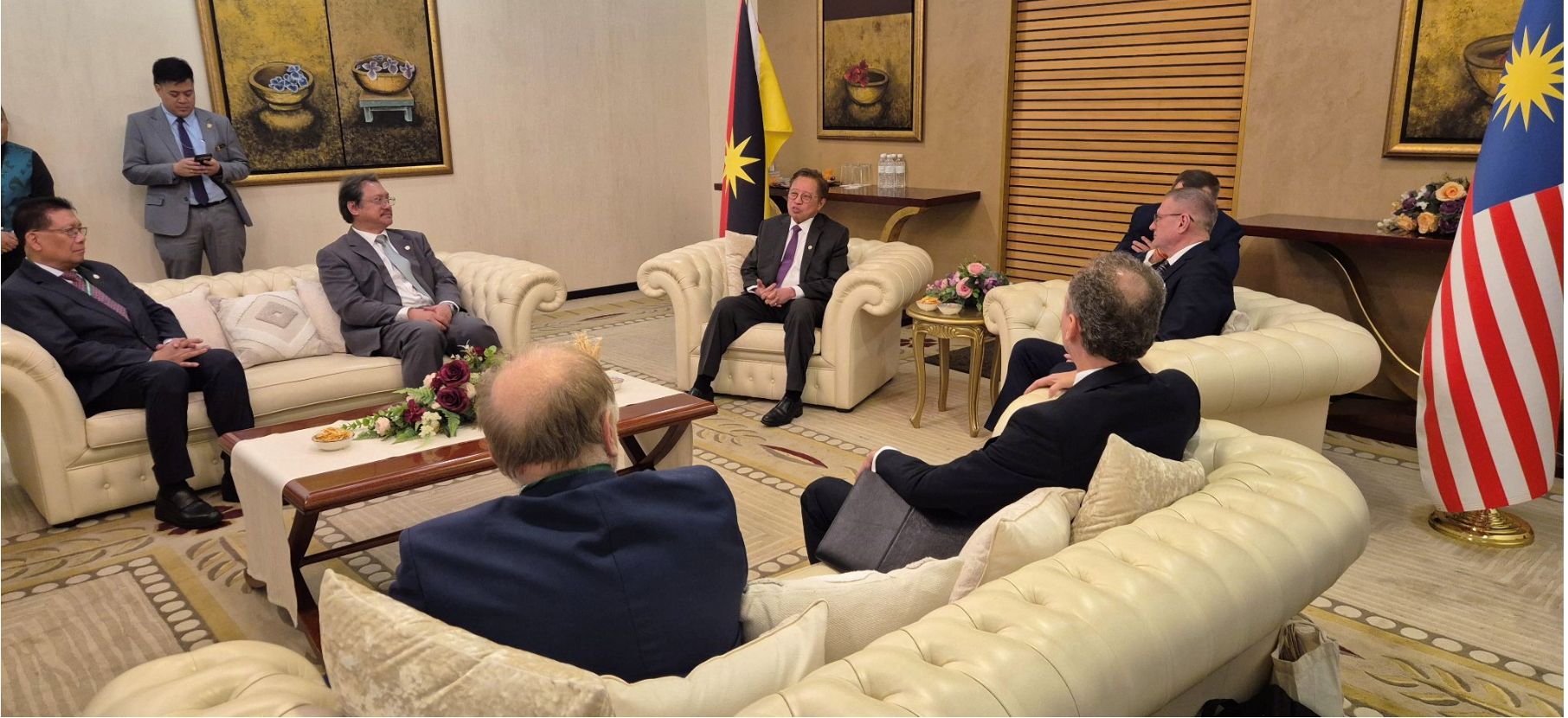
An important diplomatic and political highlight of the mission was a direct meeting with the Premier of Sarawak, Datuk Patinggi Tan Sri (Dr) Abang Haji Abdul Rahman Zohari bin Tun Datuk Abang Haji Openg. The delegation also attended the Premier’s address officially opening APGH 2026 and a presentation inaugurating the activities of the Sarawak Transitioning Industrial Cluster (Sarawak TIC) – an integrated industrial cluster focused on decarbonisation and the implementation of Fourth Industrial Revolution technologies.
The dialogue with the government representatives also involved Deputy Minister for Energy and Environmental Sustainability, Datuk Dr. Haji Hazland bin Abang Hipni, with whom the delegation discussed climate policy priorities and strategies for achieving net-zero emissions. The diplomatic dimension of the mission was complemented by an official visit to the Embassy of the Republic of Poland in Kuala Lumpur, where a framework for institutional support for Wielkopolska-based entities seeking to operate on the Malaysian market was discussed.
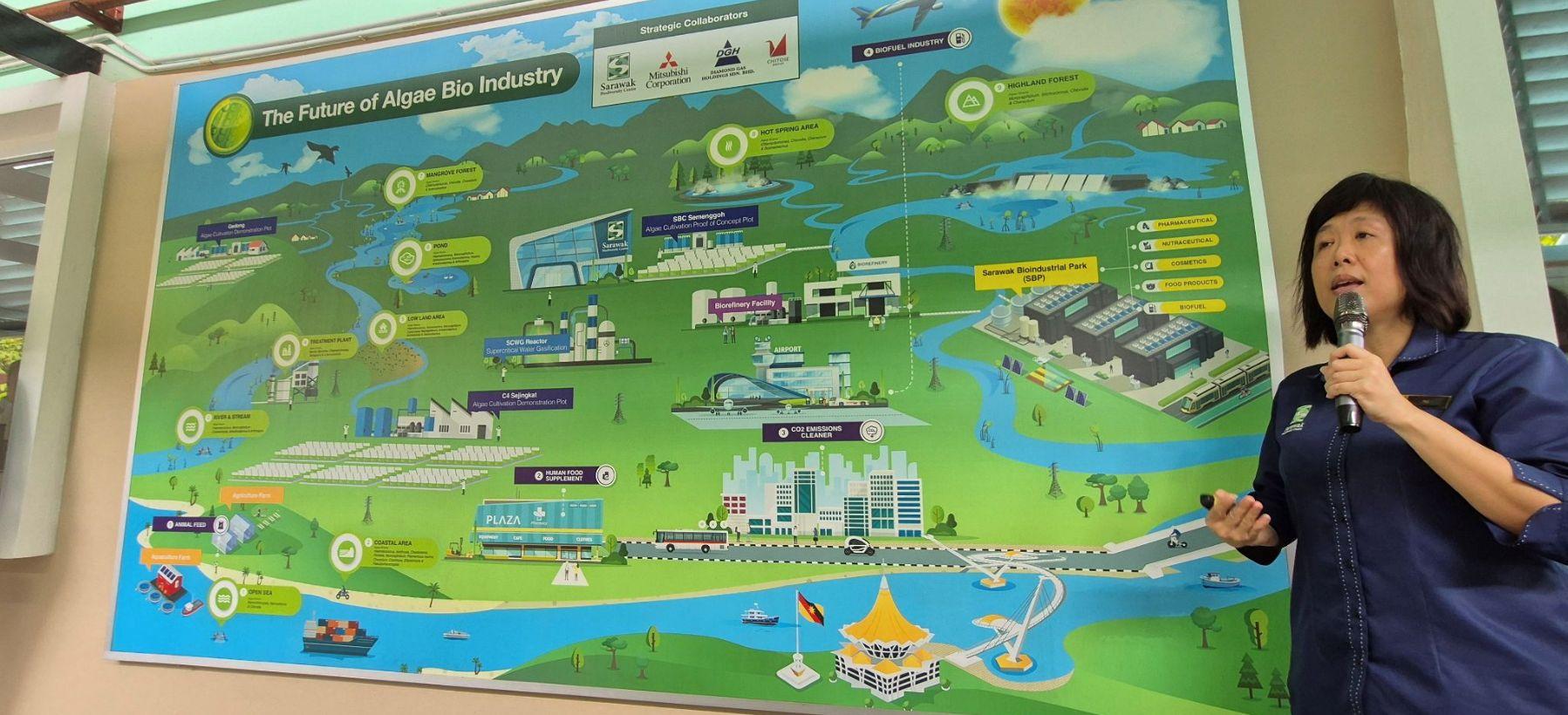
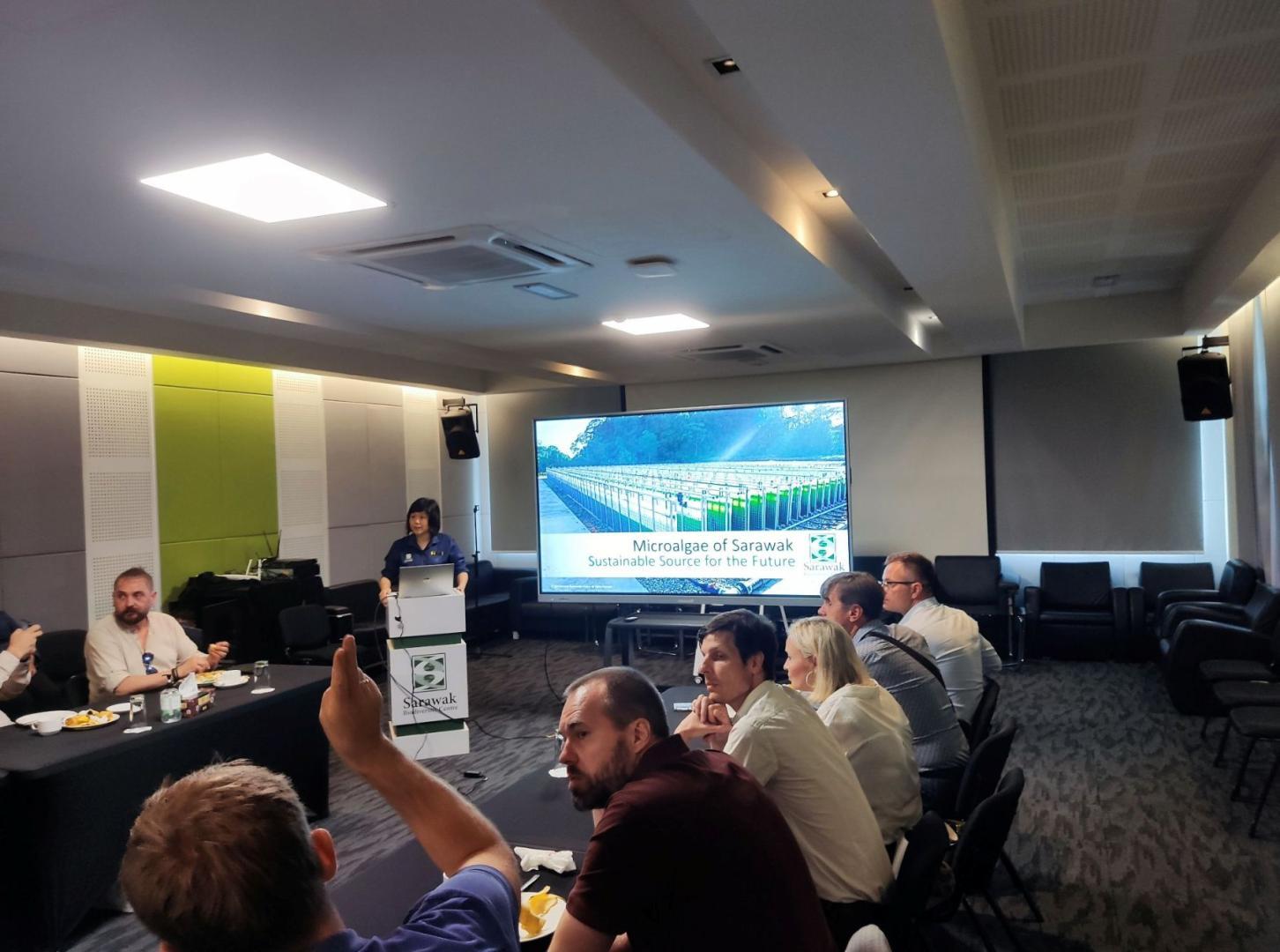
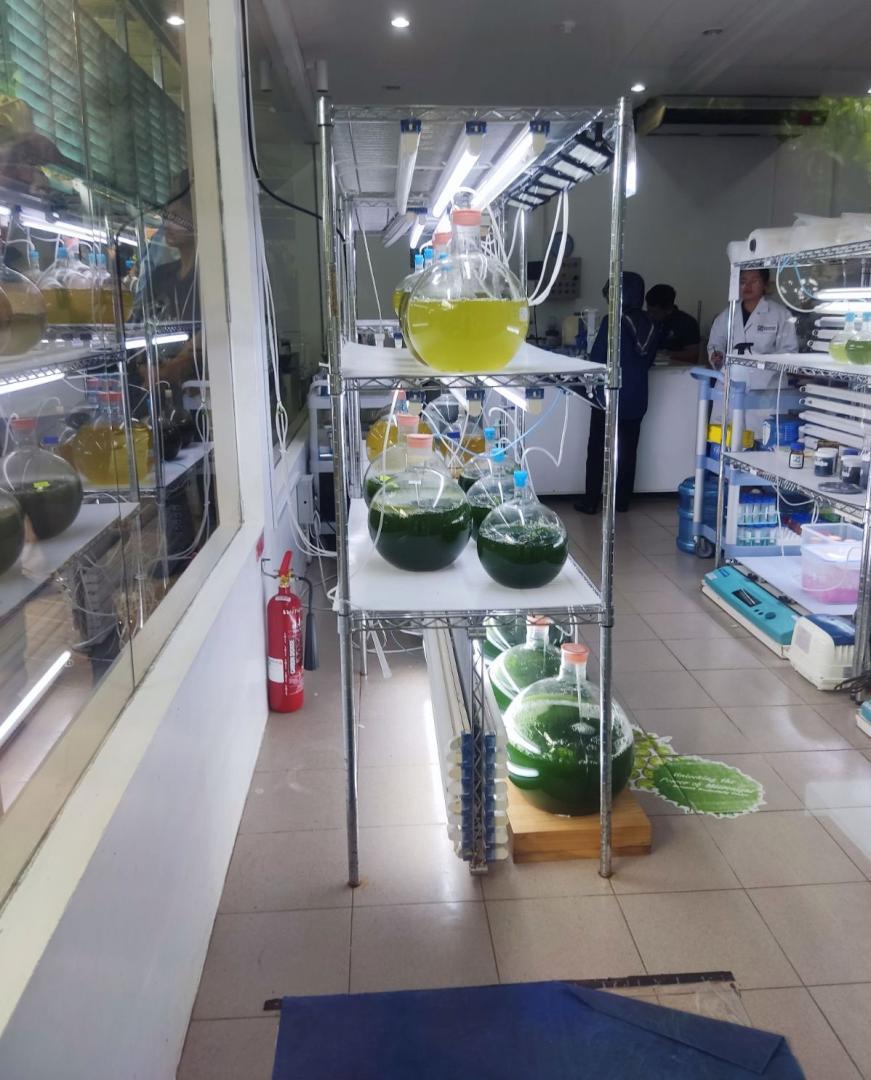
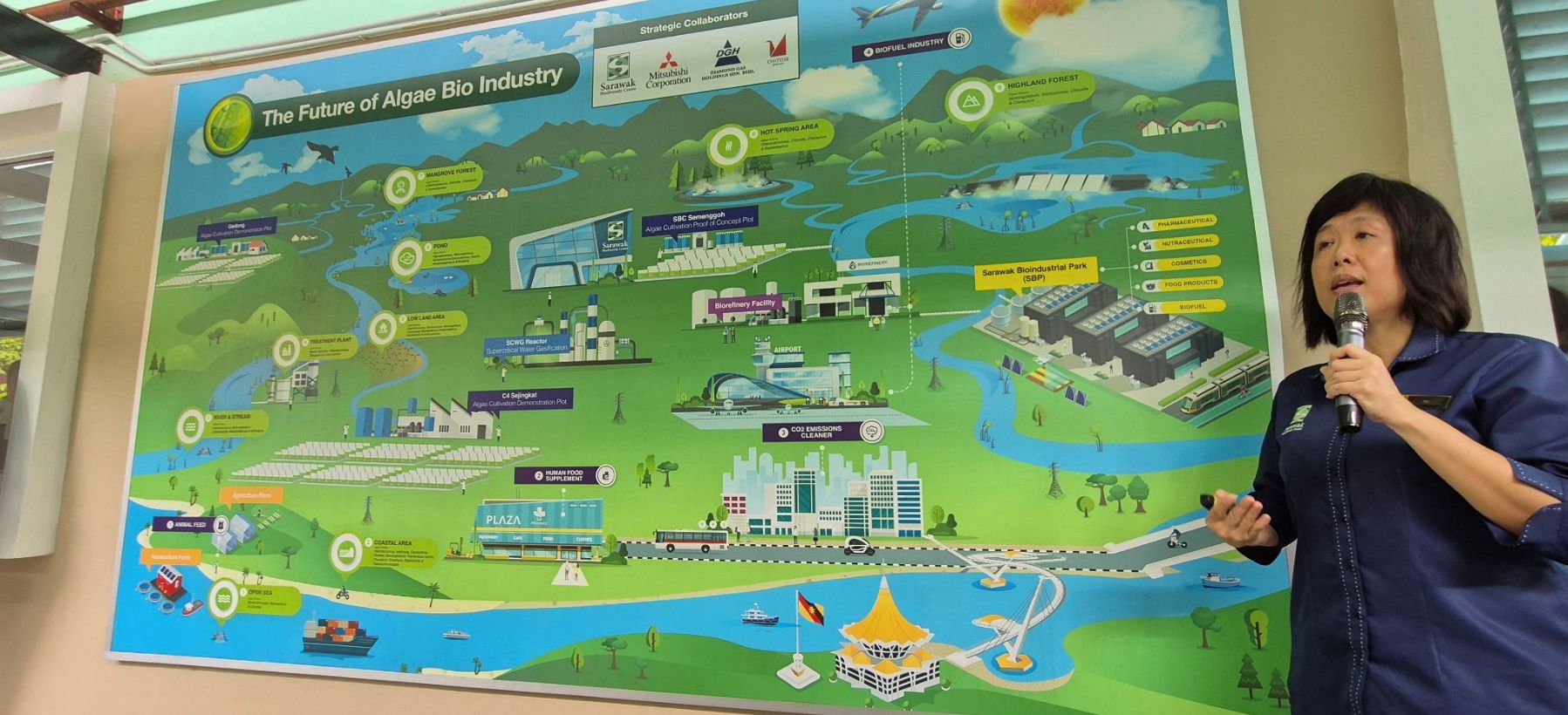
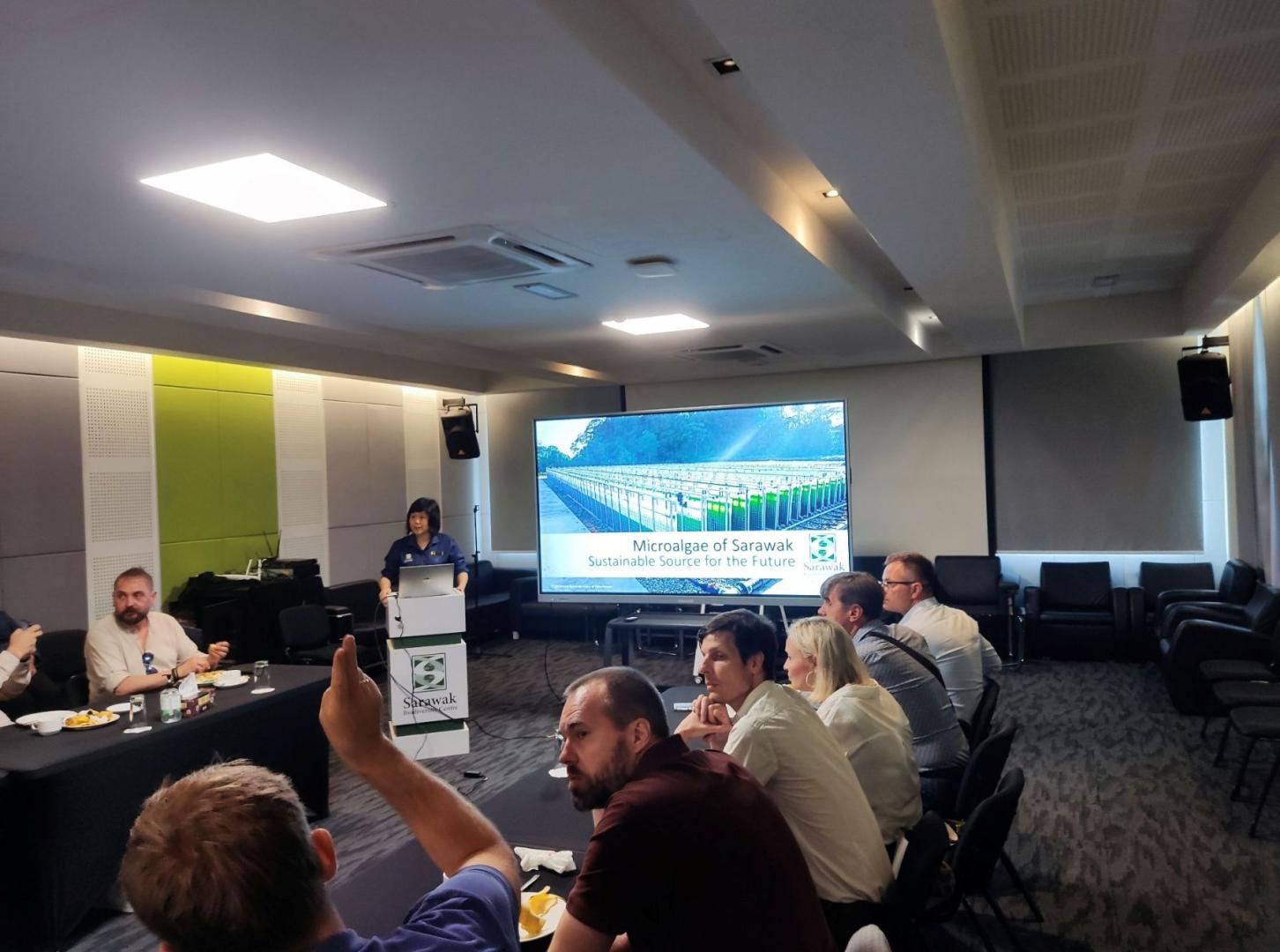
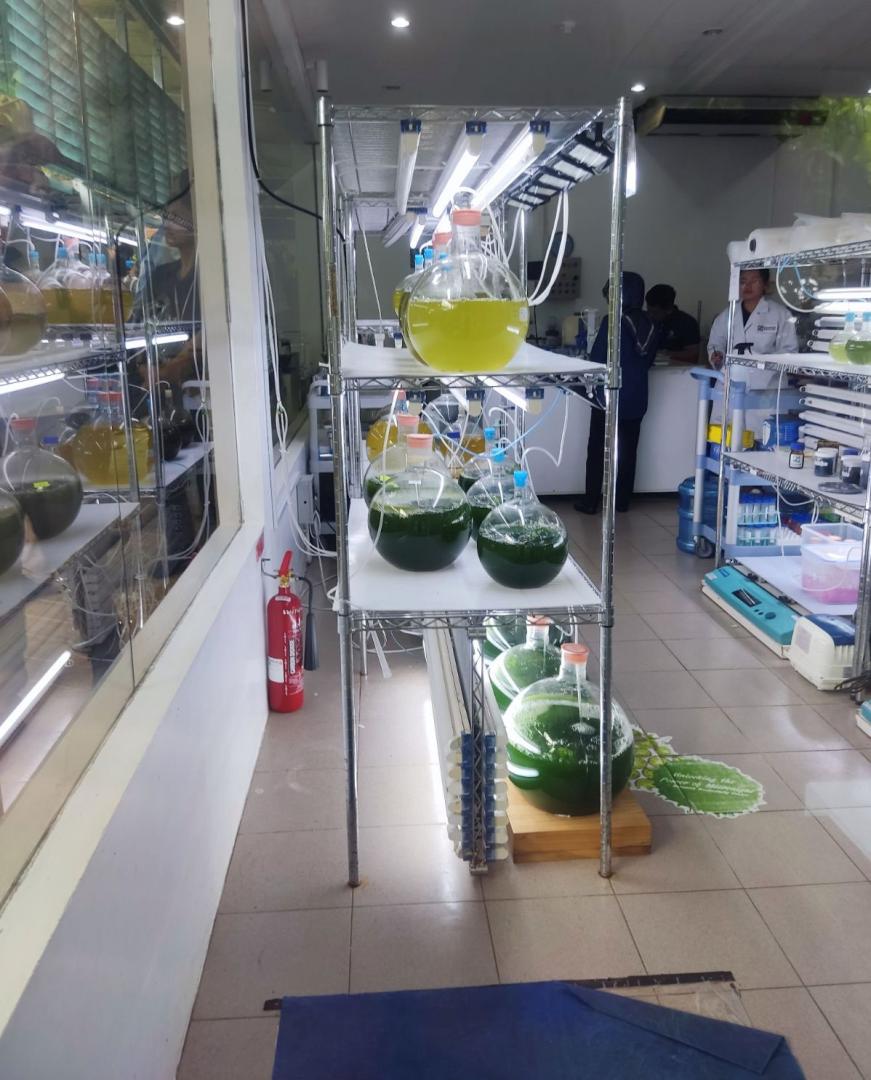
The research and academic dimension of the mission included visits to several scientific institutions. At the Sarawak Biodiversity Centre (SBC), the delegation reviewed facilities for the large-scale cultivation of microalgae. The participants discussed mechanisms for the synthesis of biofuels, including sustainable aviation fuel (SAF), and examined carbon dioxide sequestration technologies. Opportunities for implementing integrated closed-loop systems were also explored, opening up possibilities for potential joint research projects on the use of biomass in the energy transition.
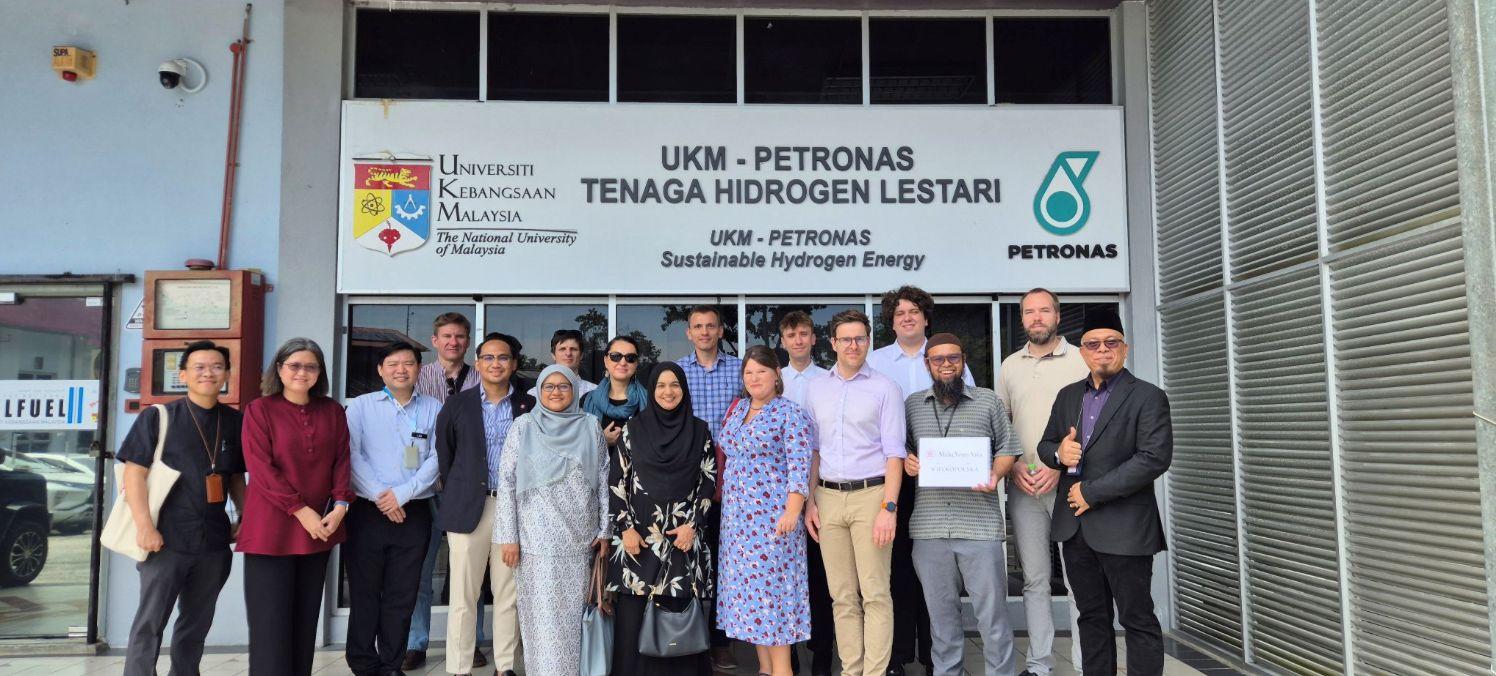
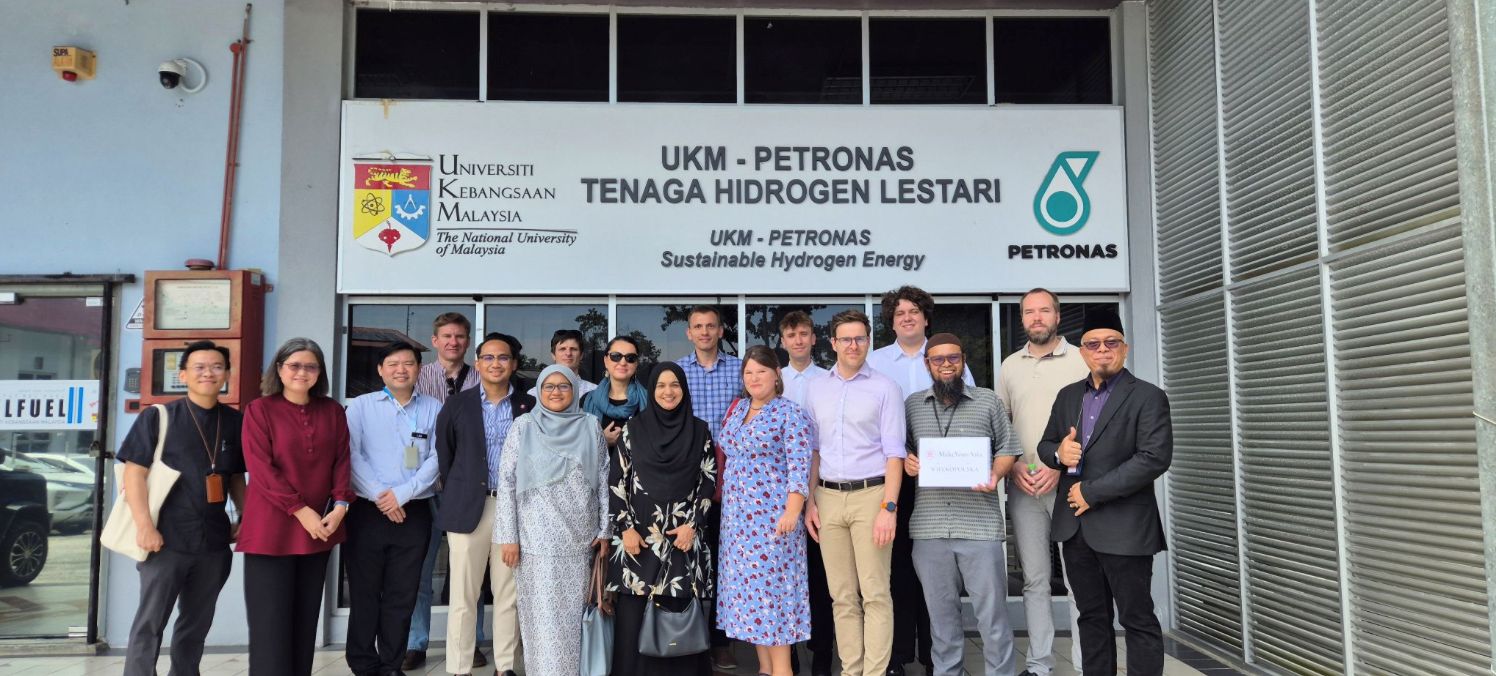
In Kuala Lumpur, the delegation paid a study visit to the Fuel Cell Institute, a major research unit of the National University of Malaysia (Universiti Kebangsaan Malaysia). The meeting with the Institute’s researchers provided an opportunity to exchange expertise in the design and testing of fuel cell technologies. Discussions addressed issues such as optimising the life cycle of fuel cells, increasing their efficiency and testing innovative construction materials.
The direct exchange of expertise helped identify specific areas for potential interinstitutional cooperation with Poznan University of Technology, including joint R&D projects, academic exchange and knowledge transfer related to the commercialisation of hydrogen research.
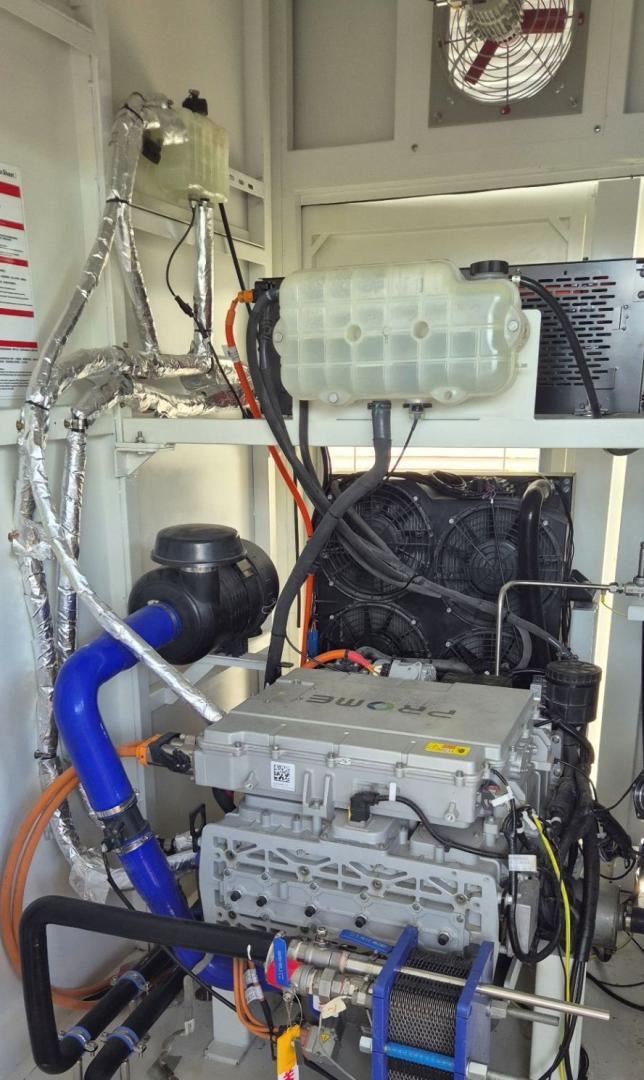
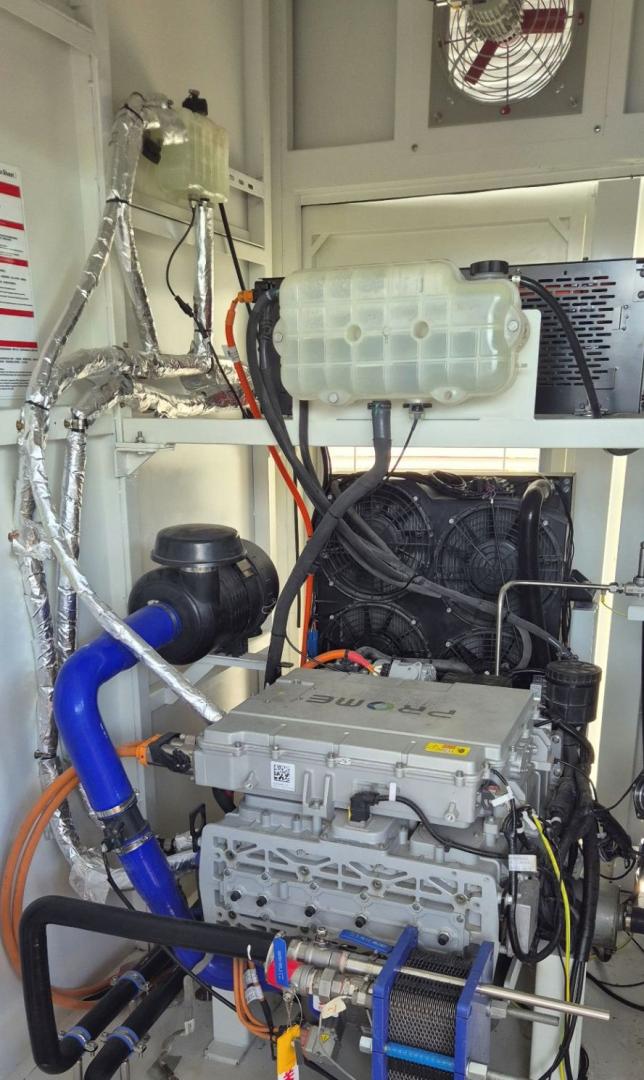
As part of the assessment of Malaysia’s technical and industrial infrastructure, the delegation visited the MHX Sejingkat facility, where participants were introduced to the physical supply chain, production technologies and logistics involved in the distribution of clean hydrogen.
The next stage of the mission included a visit to the headquarters of NanoMalaysia Berhad, a government agency responsible for facilitating the implementation of hydrogen and nanotechnology solutions in the industrial sector. The delegation learned about Malaysian technology transfer models that effectively support the development of the domestic supply chain for the hydrogen economy. Discussions focused on support mechanisms for companies implementing advanced material solutions and on opportunities to establish a bilateral platform promoting the commercialisation of green technologies among innovative entities from the Wielkopolska Region and Malaysia.
The business and scientific mission demonstrated significant potential for technology transfer and cooperation between the Wielkopolska Region, the State of Sarawak and Malaysia. The combination of specialist R&D expertise, dialogue with public authorities and visits to reference installations provides a solid foundation for the establishment of future international consortia in the field of the hydrogen economy.
The study visit was carried out as part of the project “Wielkopolska Smart Specialisations – Ecosystem for Climate Neutrality (WIS-E 4 NET ZERO)”, co-financed by the European Union under the European Funds for Wielkopolska 2021–2027 Regional Programme, Measure FEWP.01.07 – Strengthening the Entrepreneurial Discovery Process and Promoting the Regional Economy.
#FunduszeUE #FunduszeEuropejskie