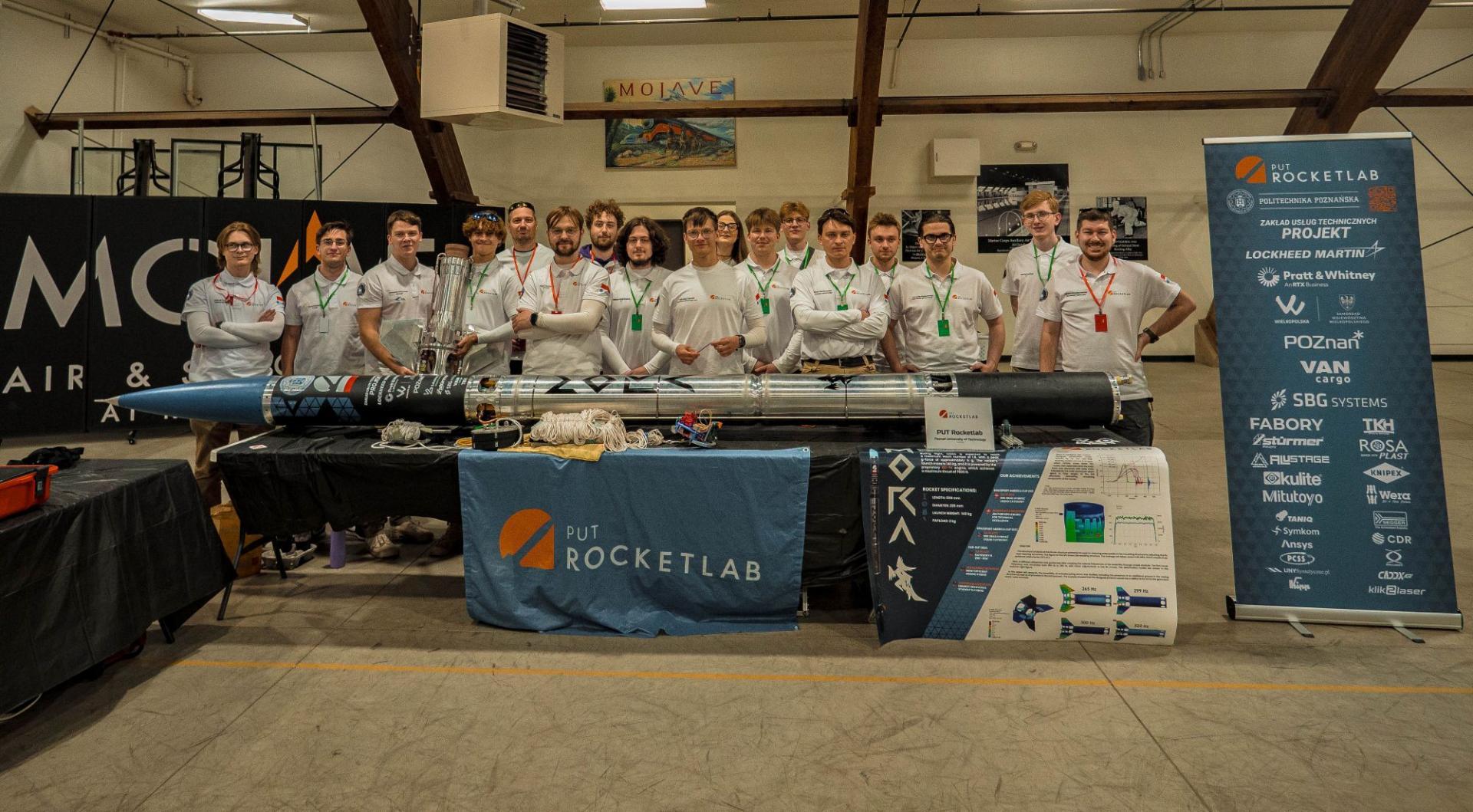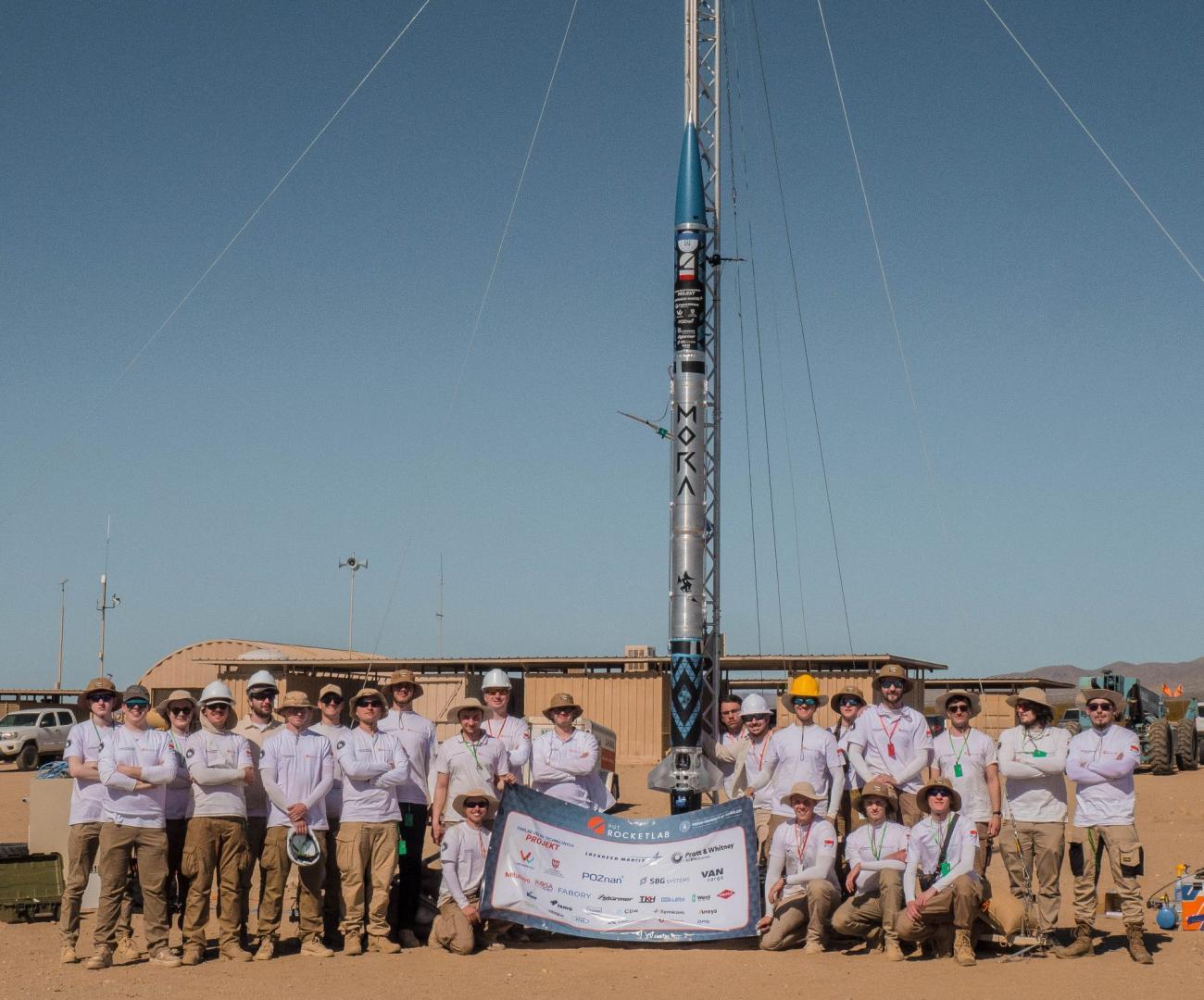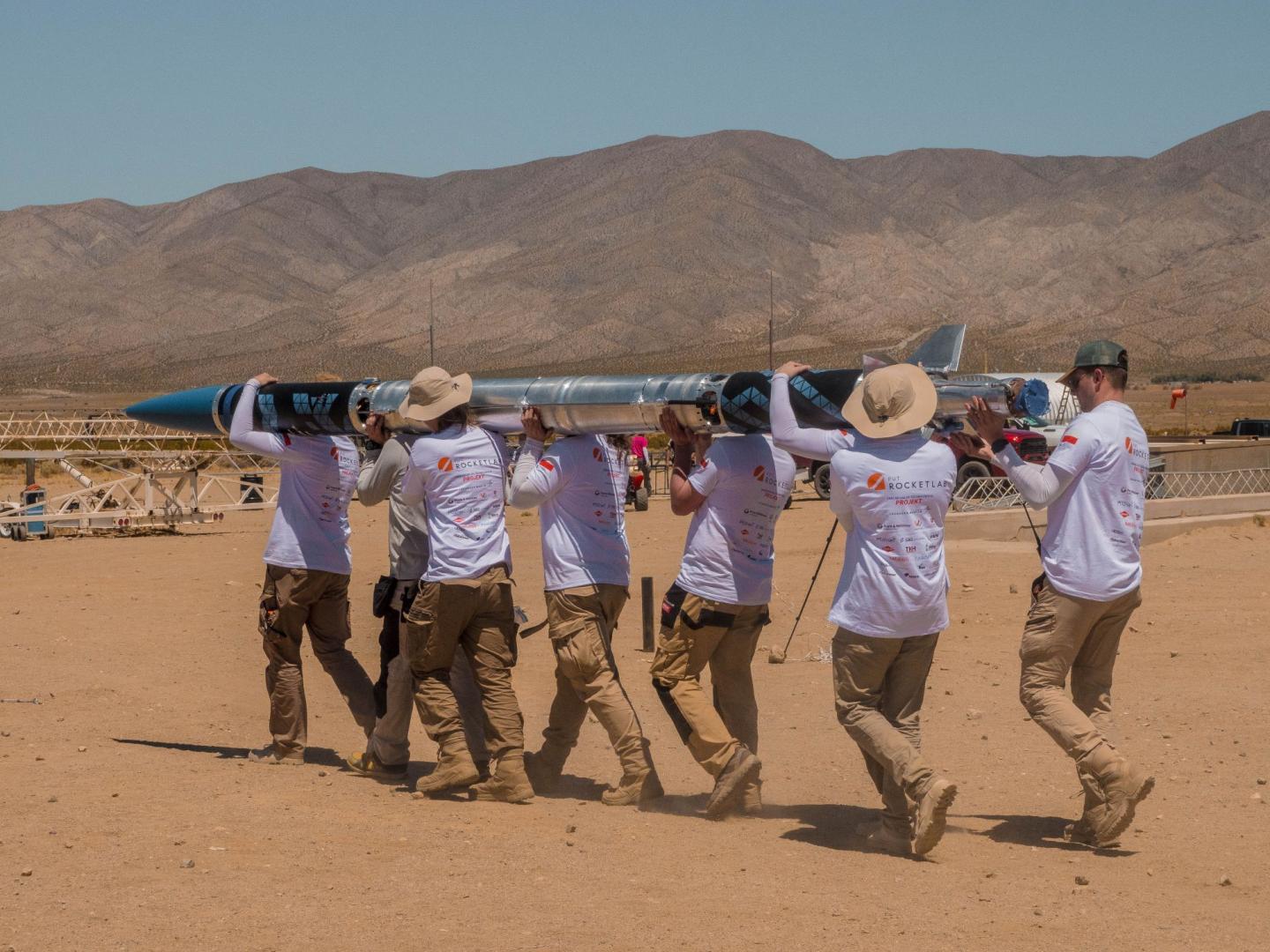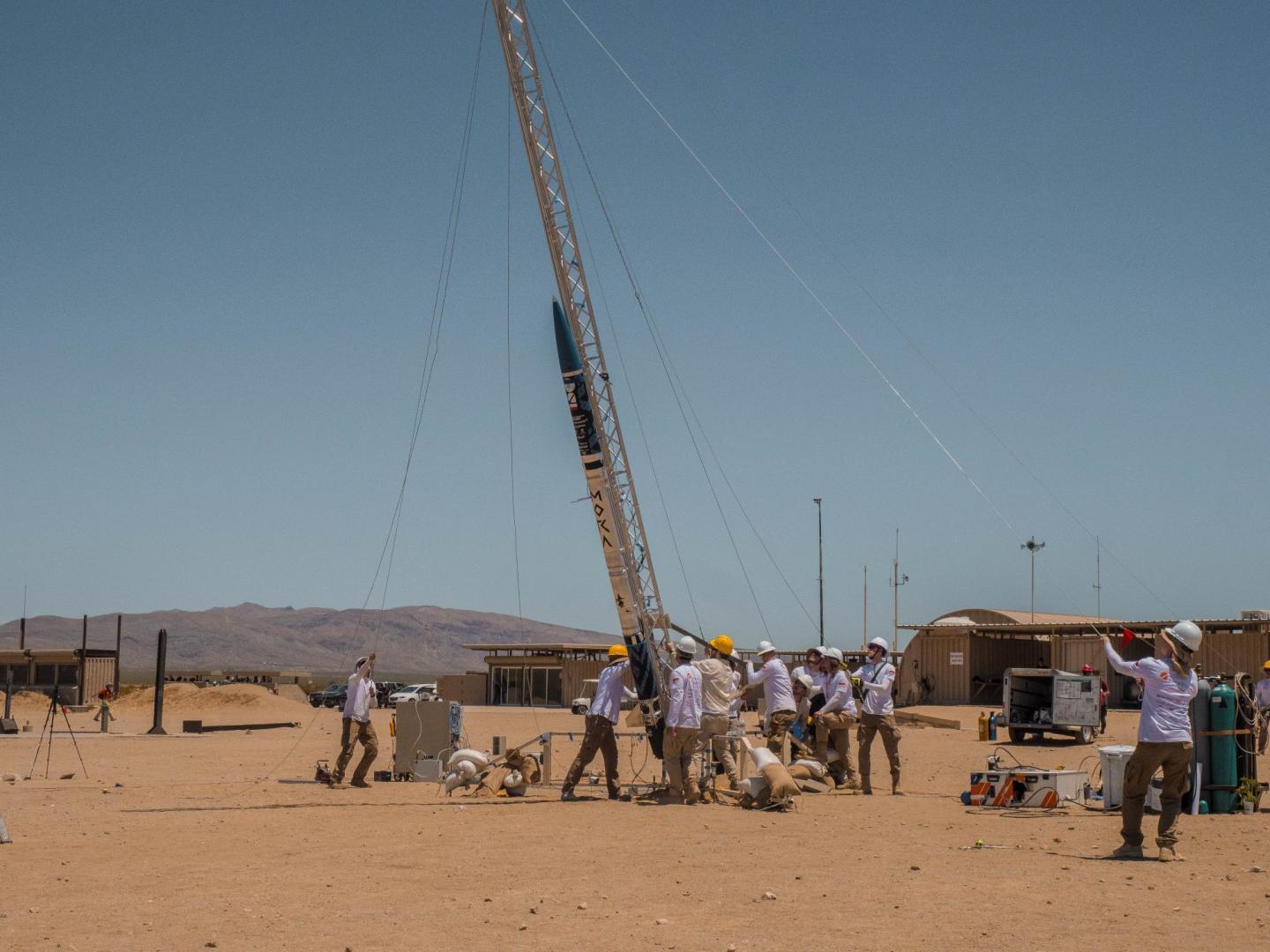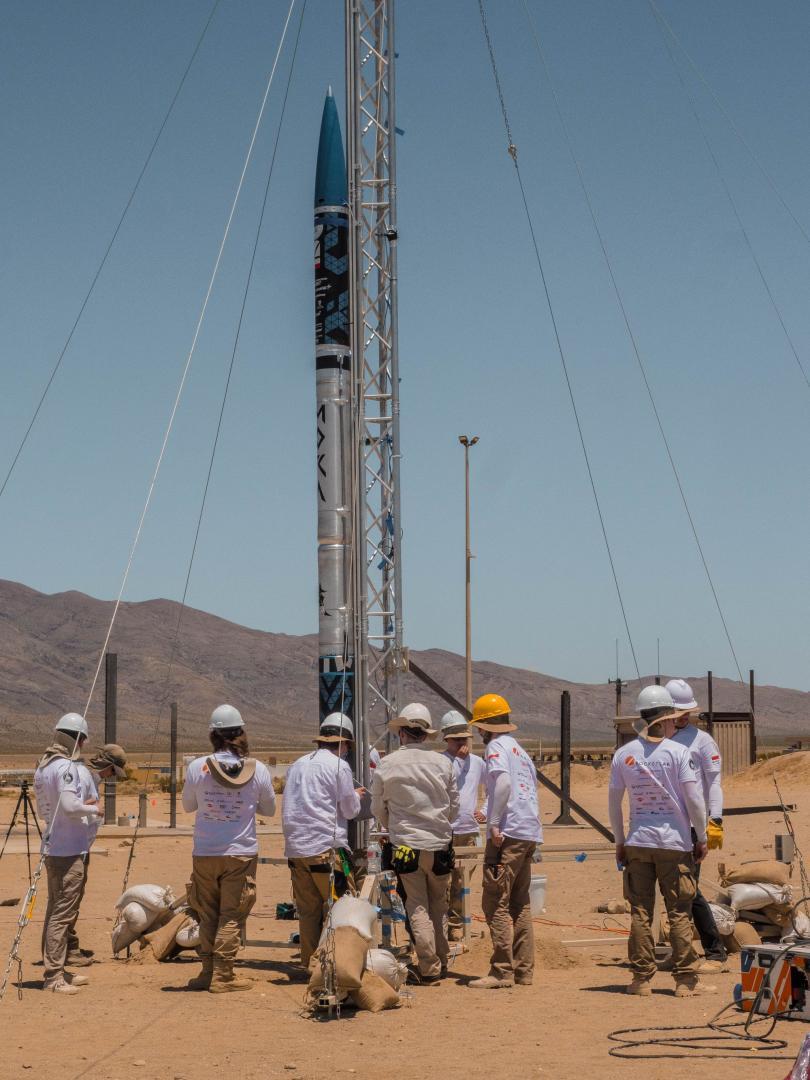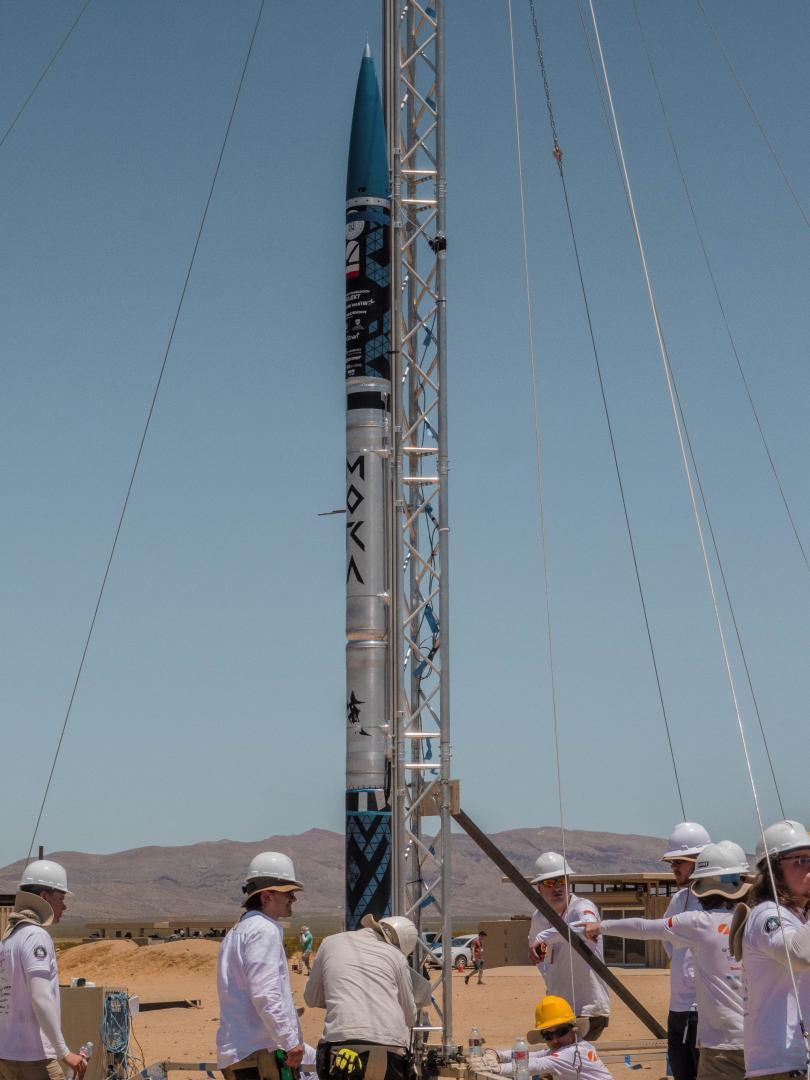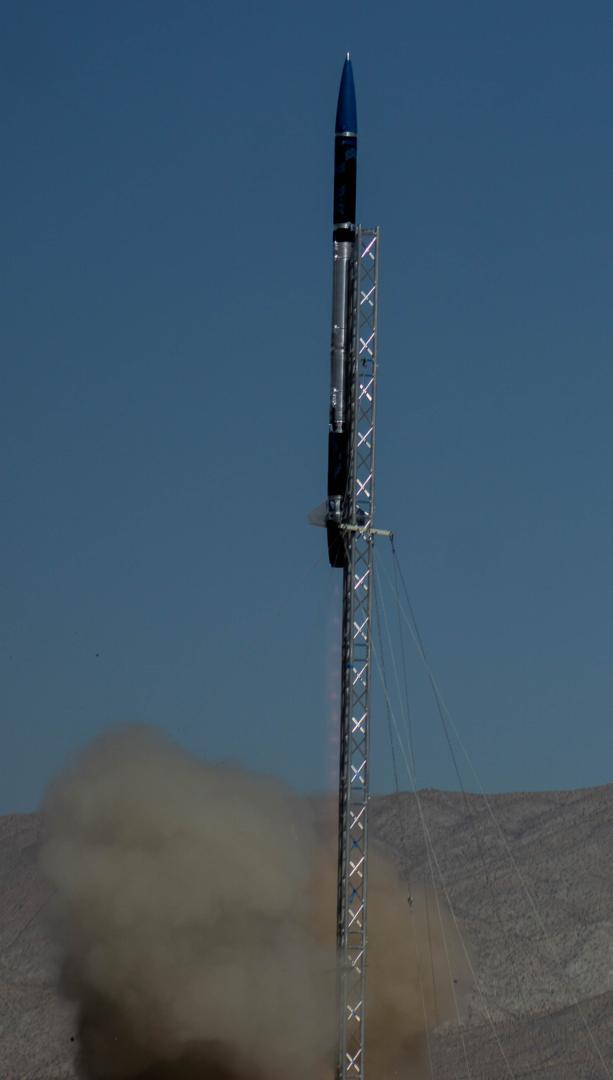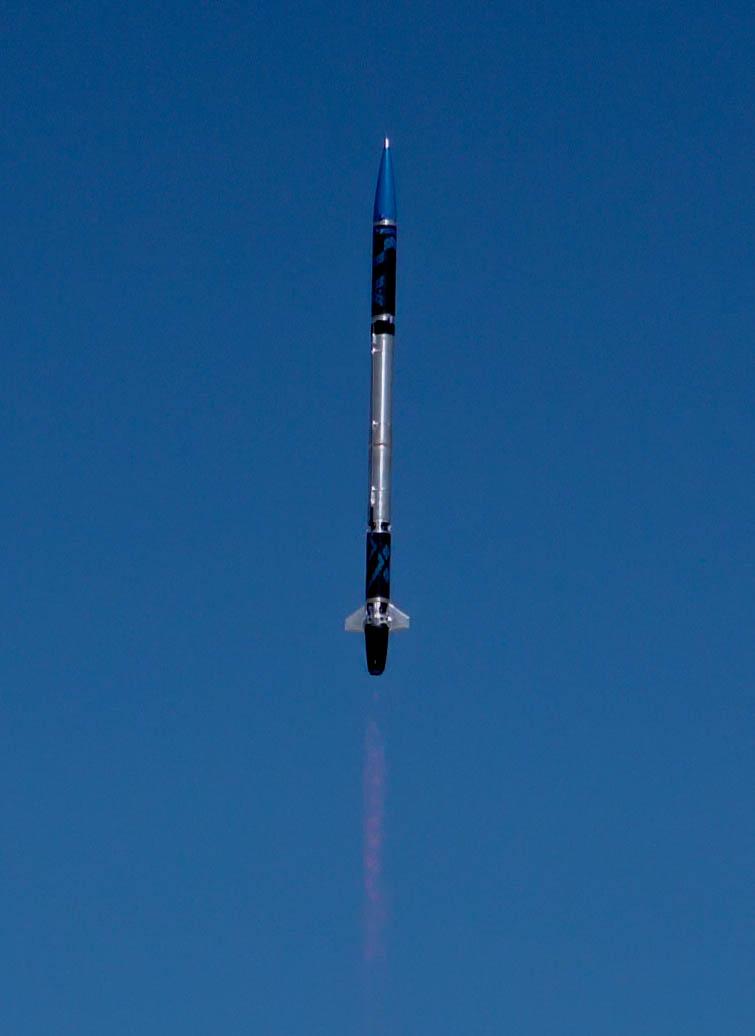
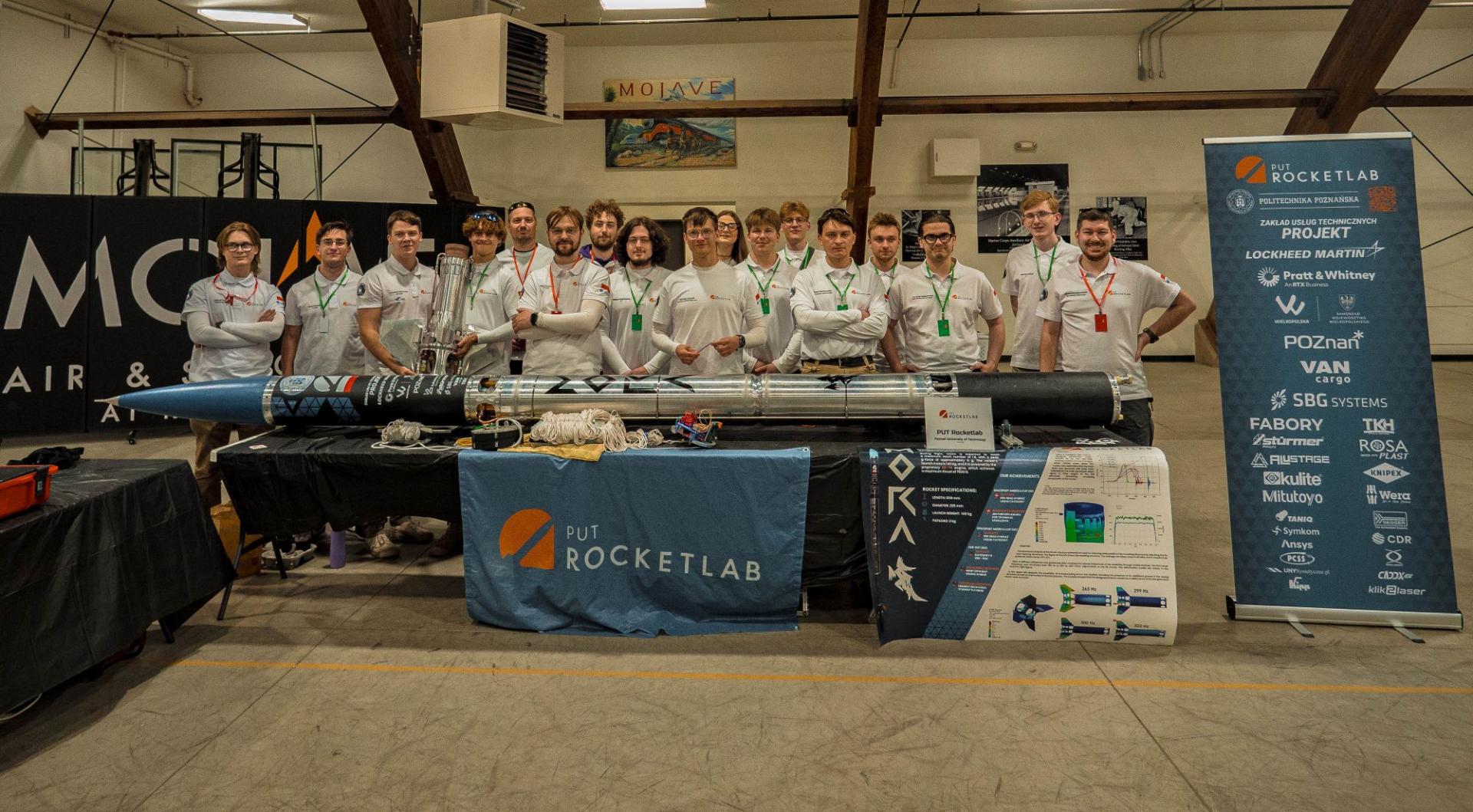
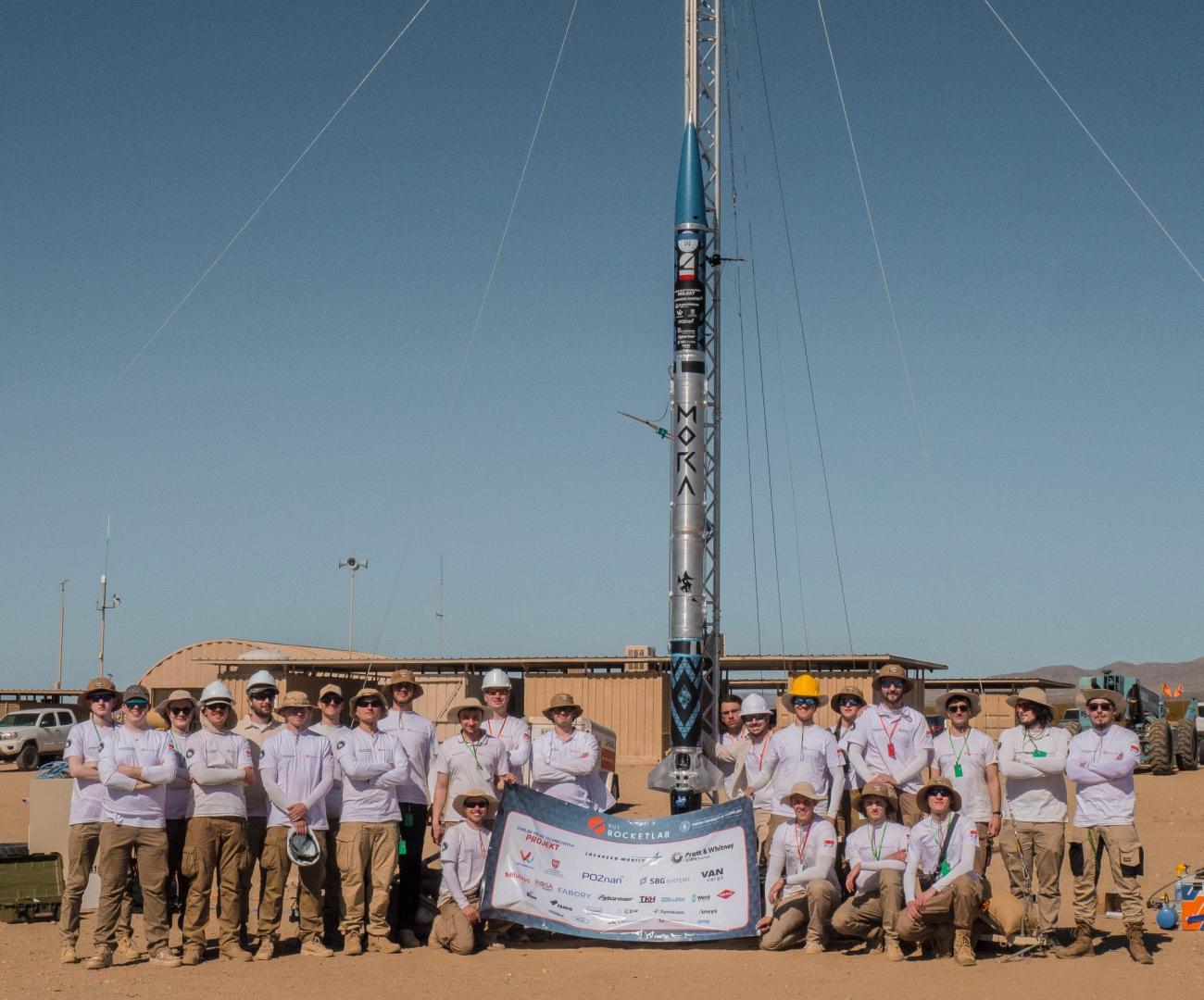
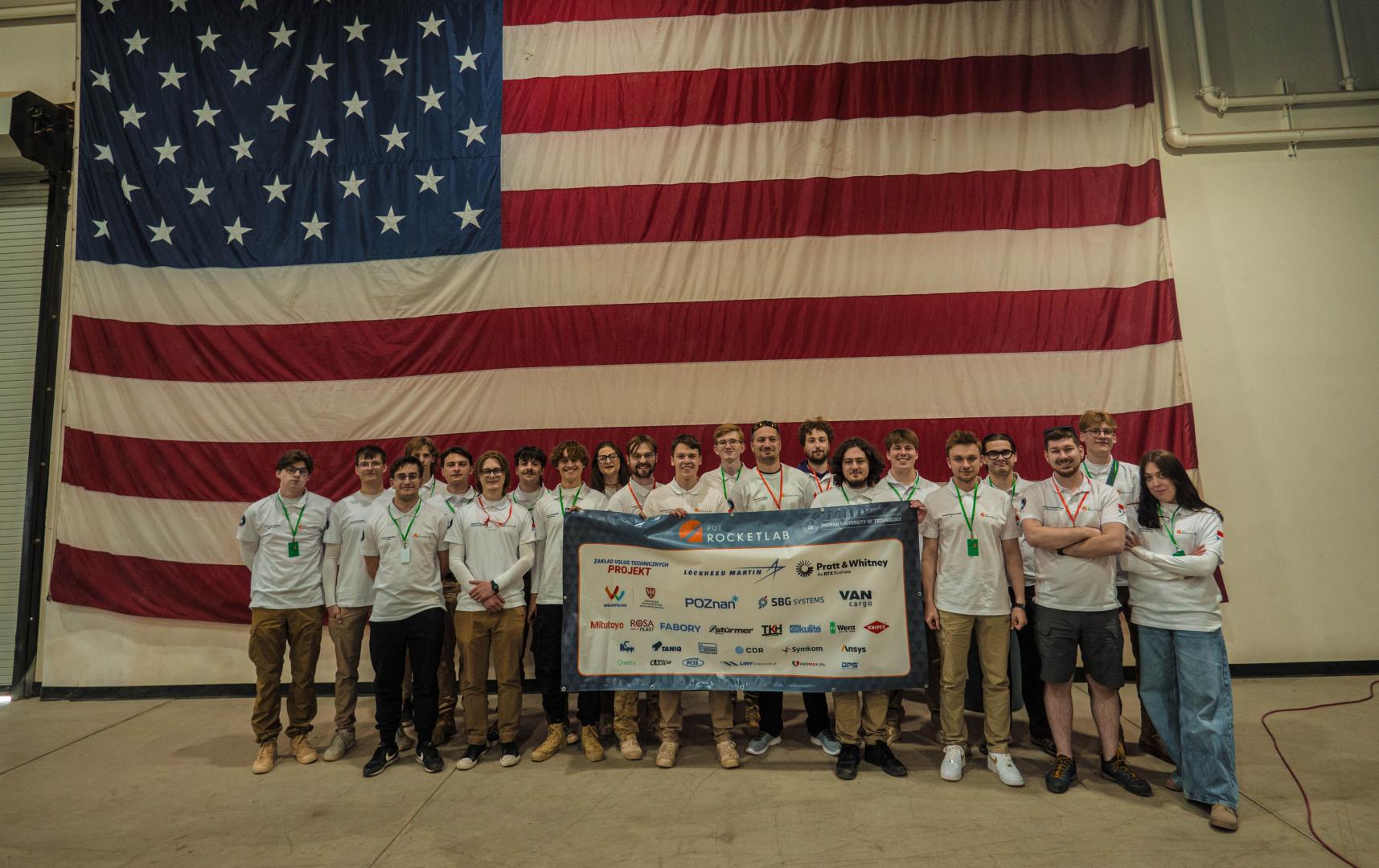
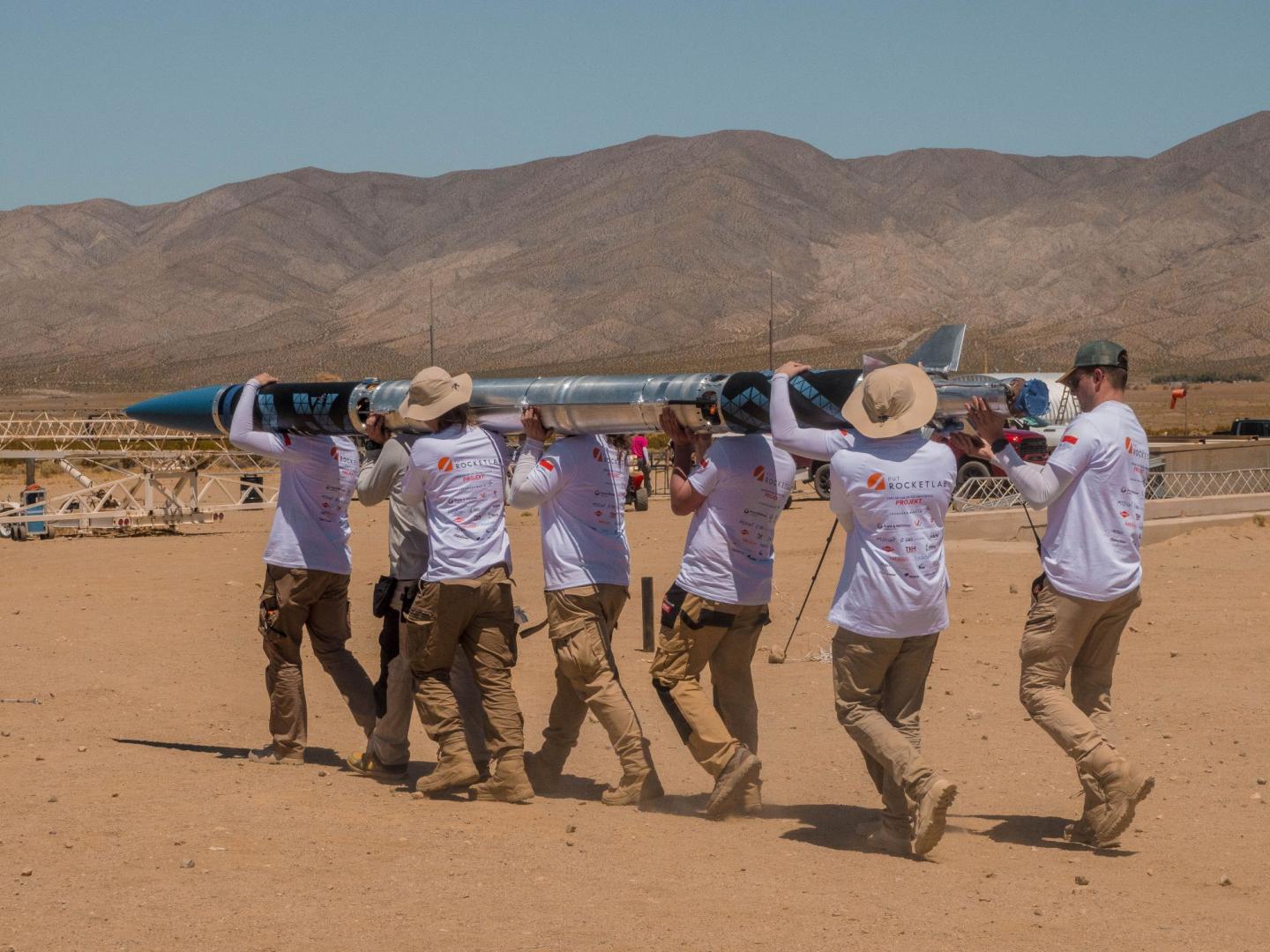
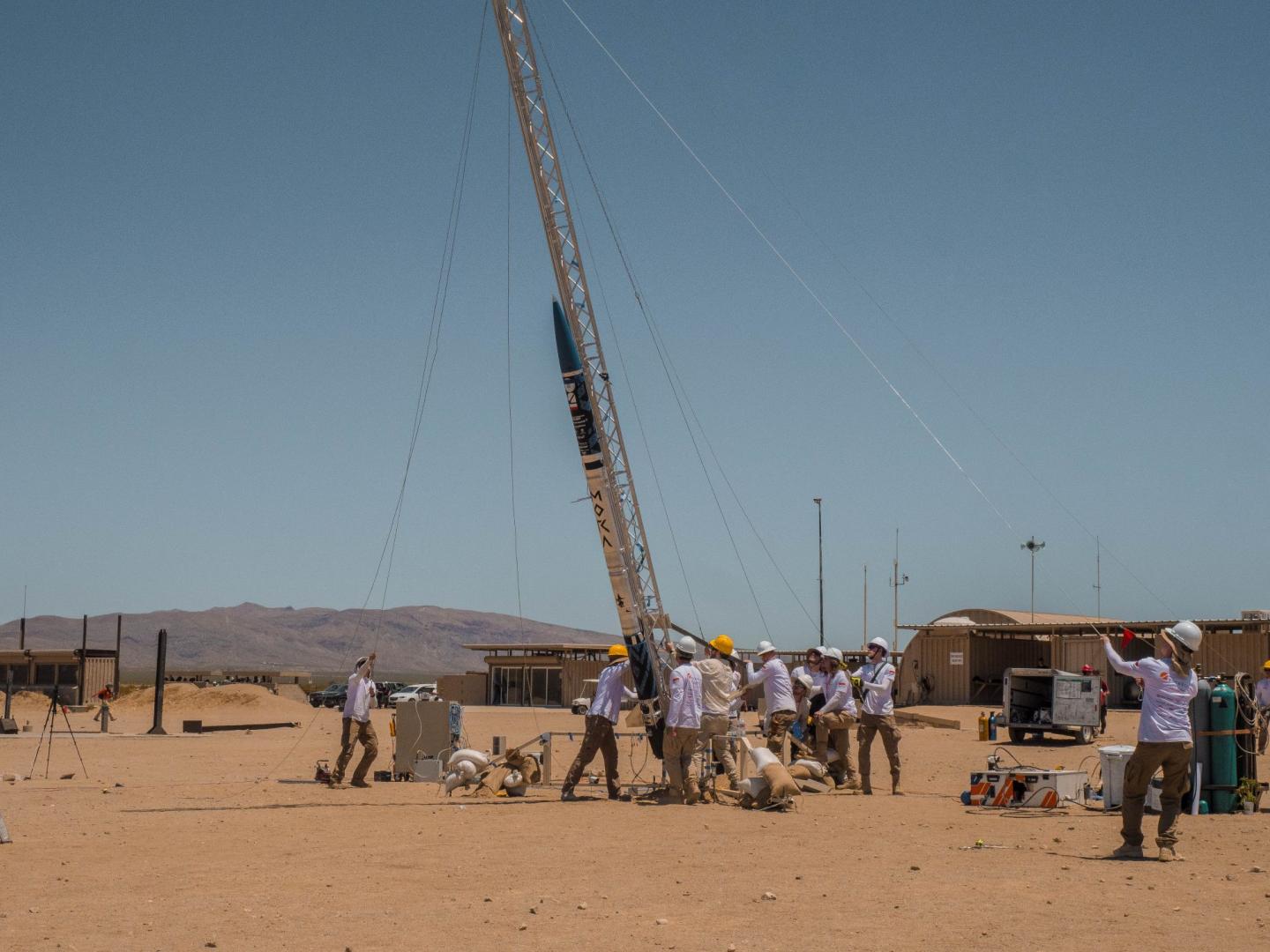
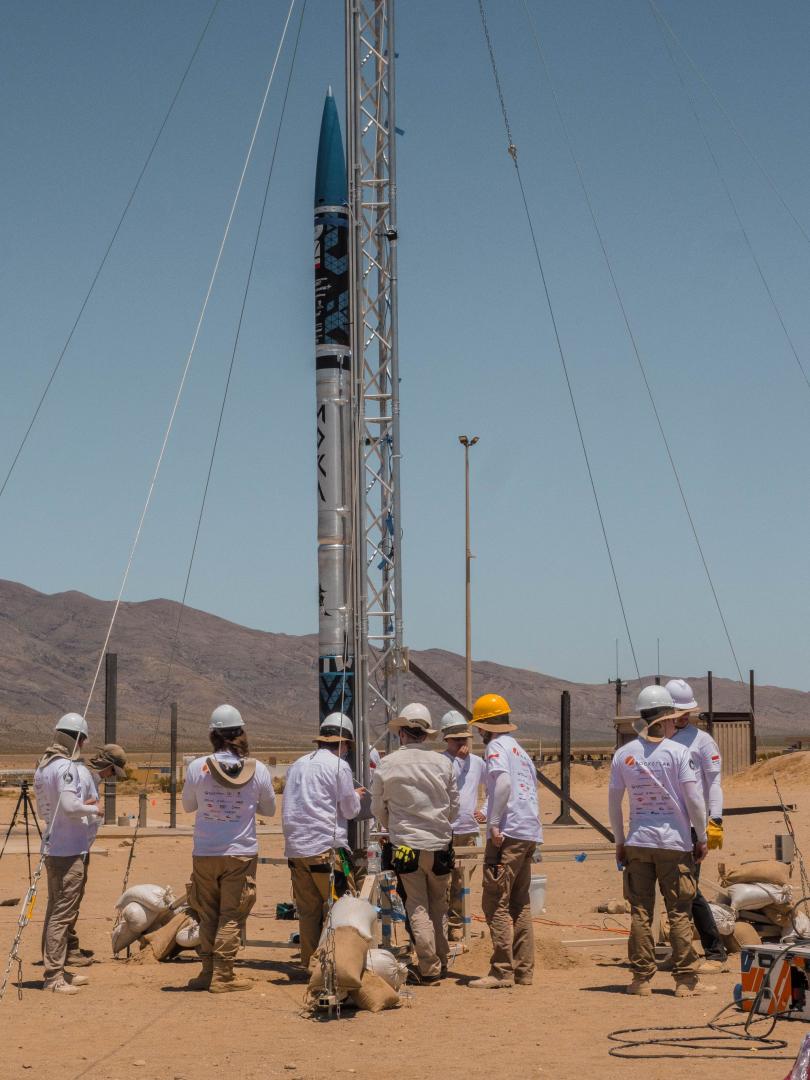
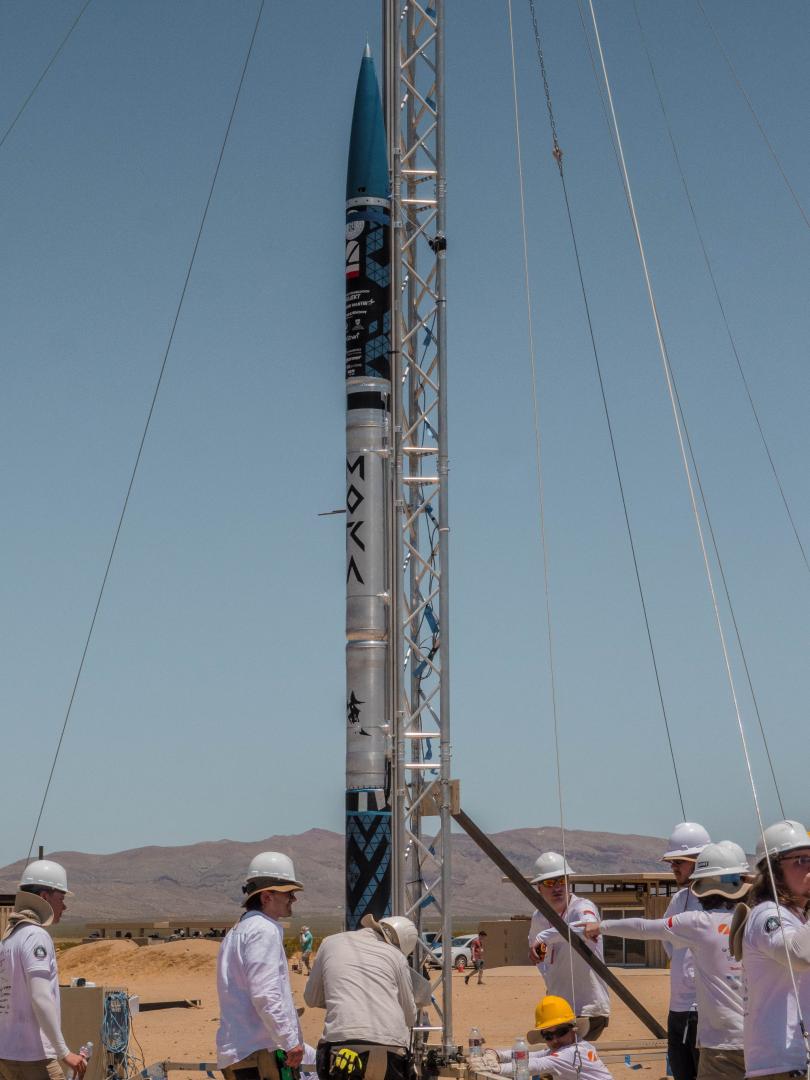
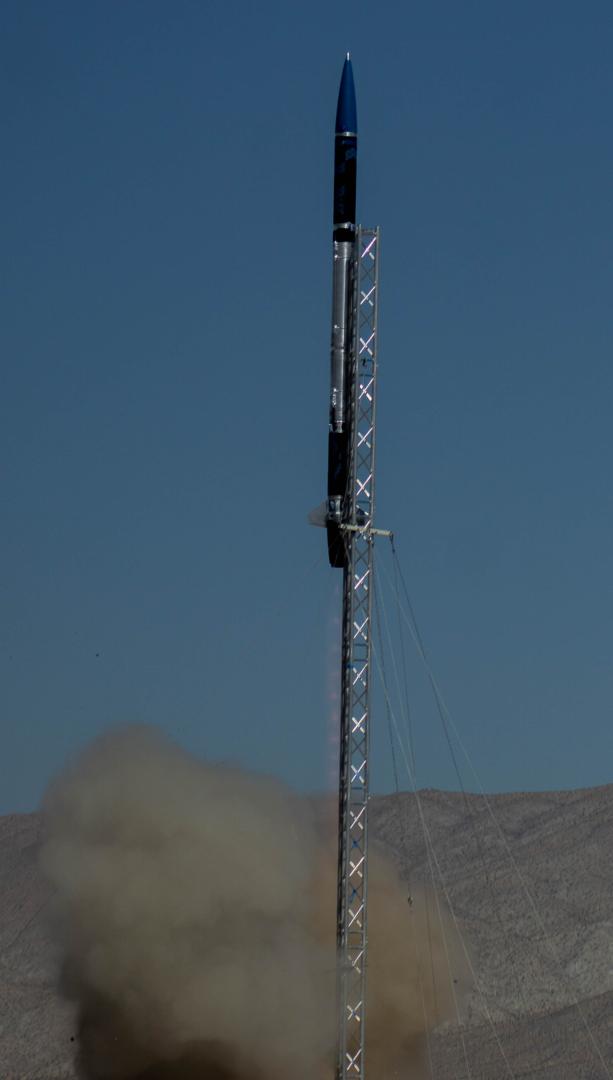
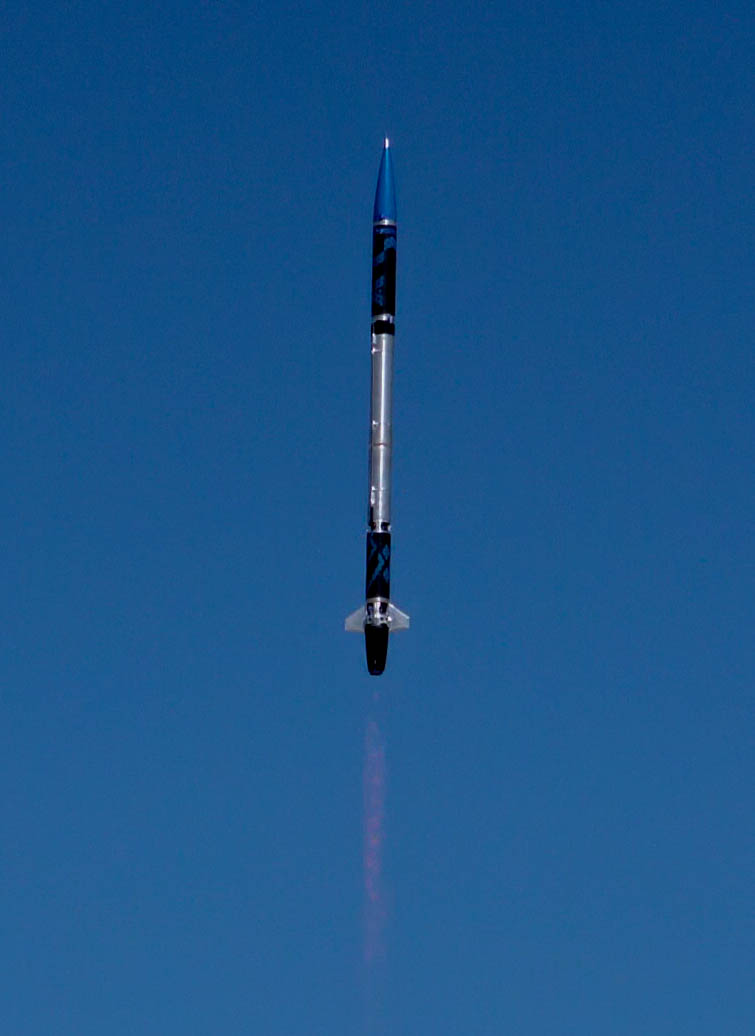
MORA I was developed in just eight months – from the first line drawn in CAD software to launch. During this time, the PUT Rocketlab team successfully designed, built and launched a rocket equipped with an advanced hydraulic system. During this year’s competition, the rocket reached an apogee of 11,460 feet – the highest altitude achieved by any of the participating teams. Considering the complexity of the project and the short development time, this result demonstrates the remarkable capabilities and engineering expertise of Poznań University of Technology students.
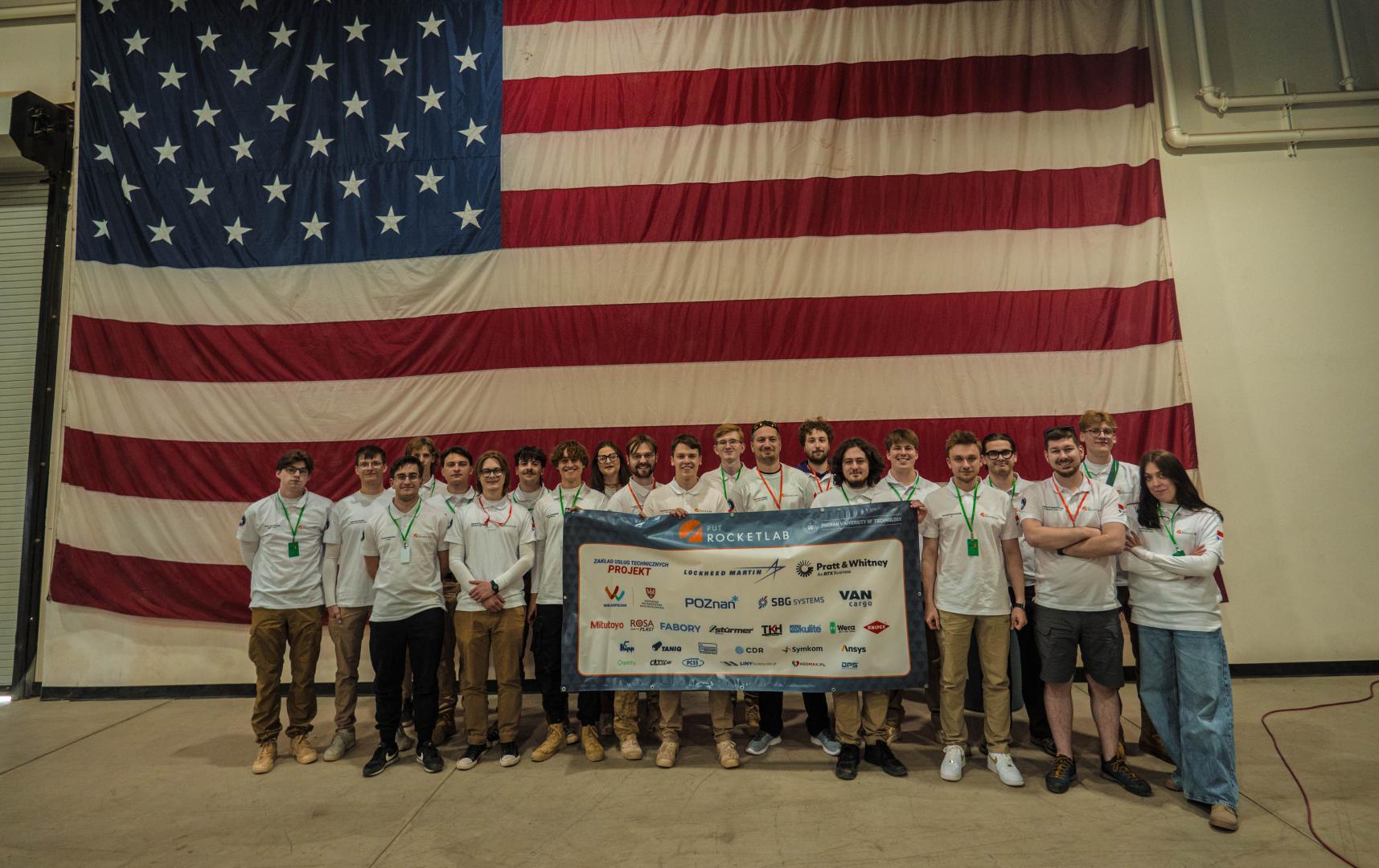
From 28 May to 1 June 2026, the PUT Rocketlab team from Poznań University of Technology participated in the international FAR-OUT rocketry competition, held in the Mojave Desert in California. Organised by Friends of Amateur Rocketry, the competition focuses on hybrid- and liquid-propellant rockets and evaluates teams based on the accuracy with which their rockets reach a pre-declared target altitude. Teams compete in three altitude categories, ranging from 5,000 to 110,000 feet, and may additionally conduct a static engine firing to demonstrate and evaluate engine performance.
This was PUT Rocketlab’s second participation in the competition. This year’s event marked the maiden flight of the team’s latest project, MORA I. The primary objective was to test the new design under actual launch conditions and collect as much flight data as possible to support the rocket’s further development.
The team entered the MORA rocket in Category A for liquid-propellant rockets, covering target altitudes between 3,000 and 15,000 feet. MORA’s mission is to carry a 2-kilogram research payload to its target altitude and return it safely to the ground. Participation in the competition provided an important opportunity to test the team’s latest design – the largest Polish research rocket powered by liquid propellants, developed with the ultimate goal of breaking the altitude record for this type of propulsion system.
Following the launch, the commercial flight computer responsible for the recovery system was damaged. Nevertheless, the team successfully recovered the avionics computers as well as some partially damaged propulsion system components.
The data collected during the flight will now be used to further improve and develop the team’s most ambitious project to date.
PUT Rocketlab is a student research group at Poznań University of Technology that has been bringing together students interested in space technologies since 2017. Today, it comprises approximately 100 students from various fields of study and universities, who work together on engineering projects under the supervision of researchers from the Institute of Thermal Energy.
The group’s activities focus on the design, construction and testing of supersonic sounding rockets, as well as the development of hybrid and liquid rocket propulsion systems. Its work includes aerodynamic modelling, recovery system design, onboard electronics integration, and the development and testing of rocket engines.
The results of these projects are presented at international competitions, trade fairs and scientific conferences, providing students with opportunities to gain hands-on experience, develop their engineering skills and share their passion for space exploration.
PUT Rocketlab