Representatives of Taiwan Semiconductor Manufacturing Company (TSMC) and European Semiconductor Manufacturing Company (ESMC) visited Poznan University of Technology to explore opportunities for cooperation in education, talent development and research.
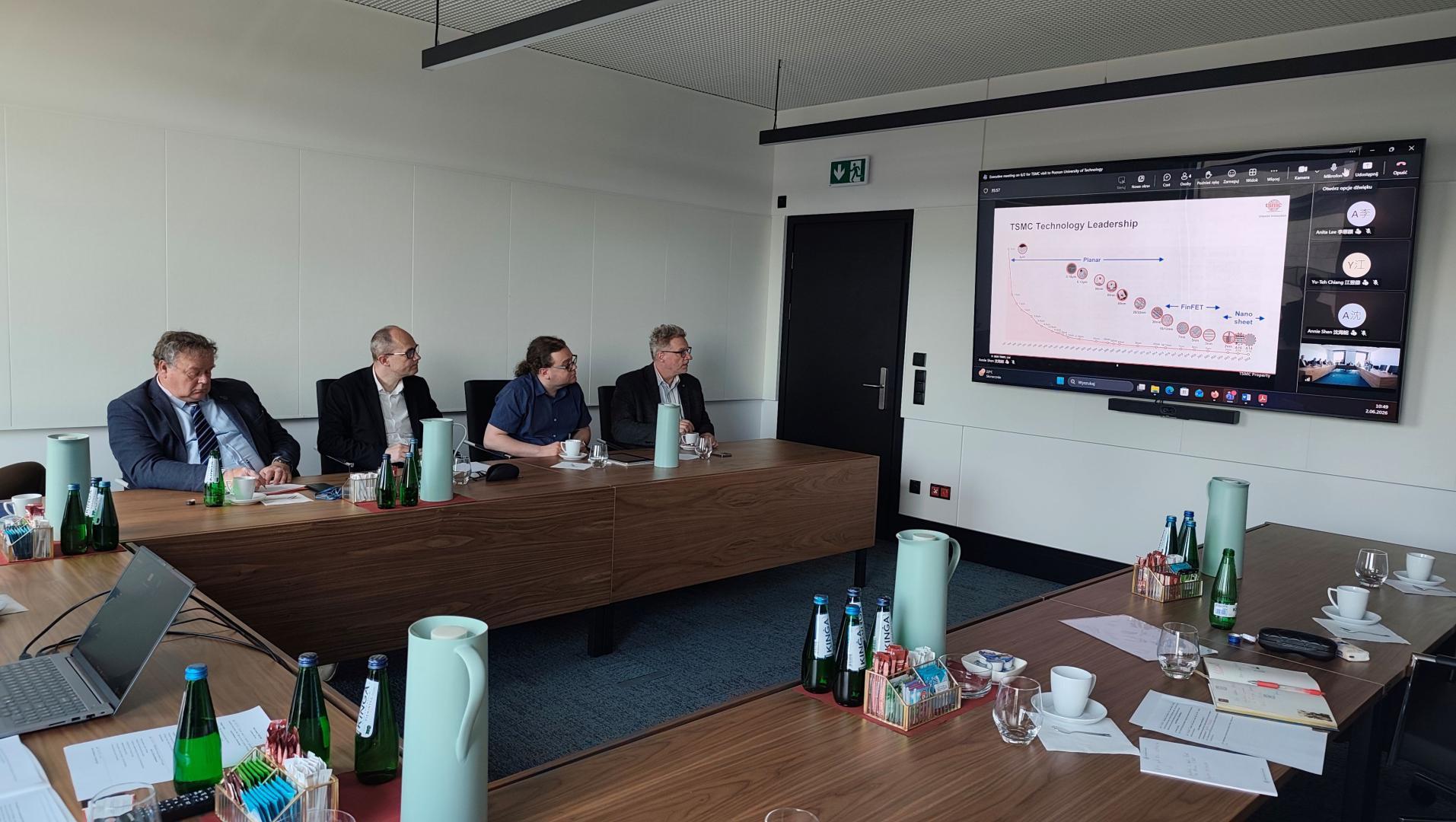
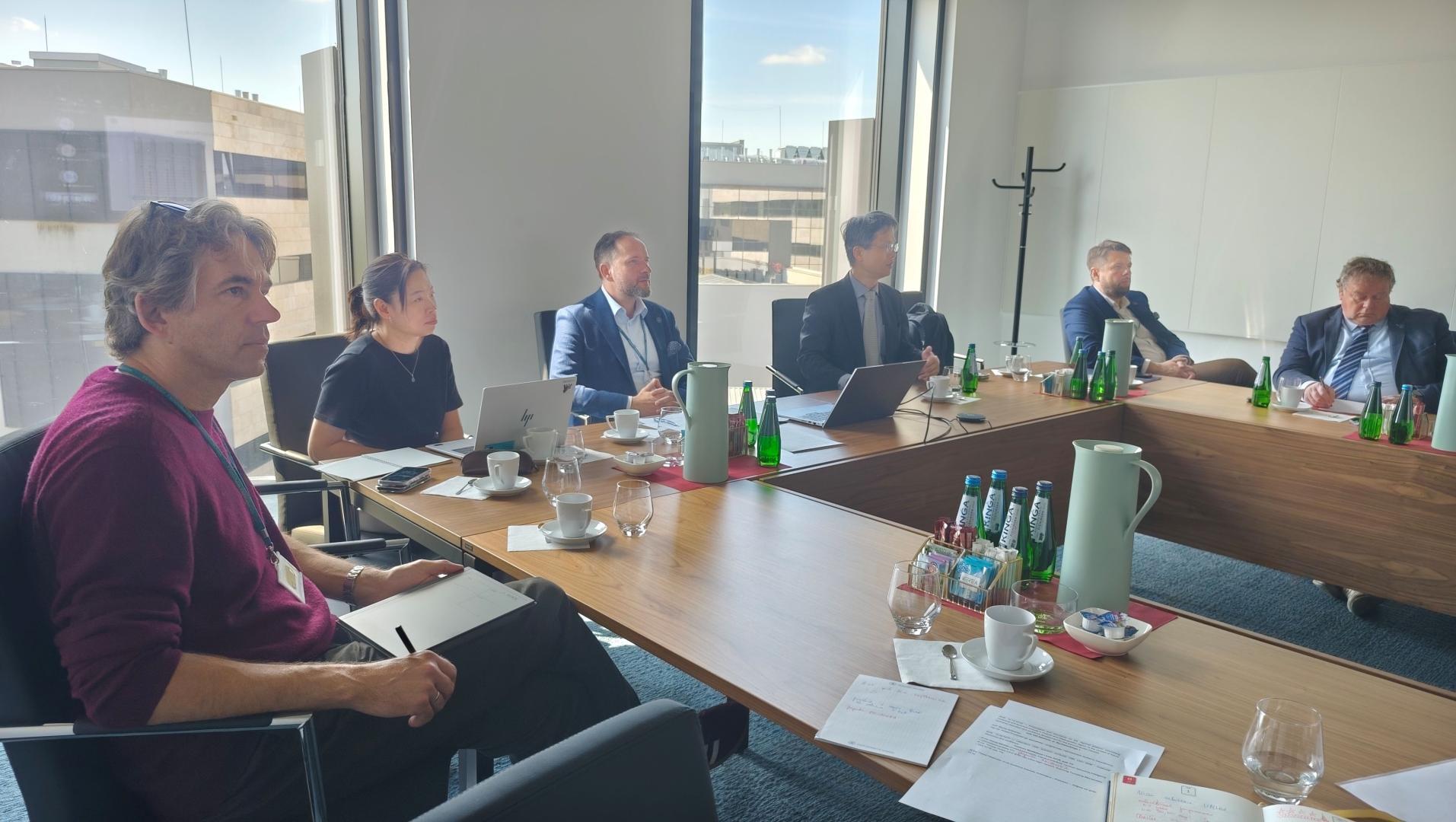
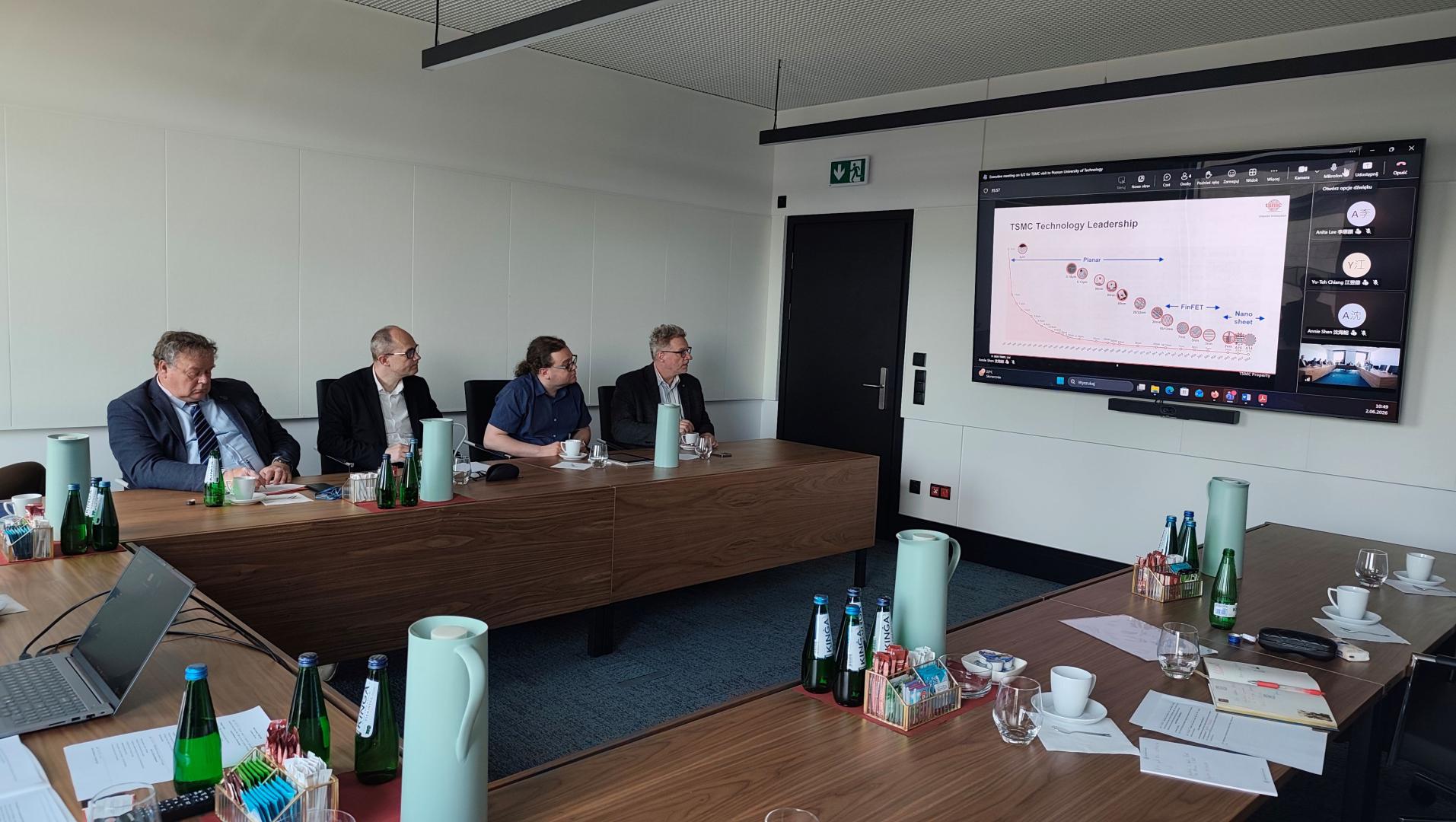
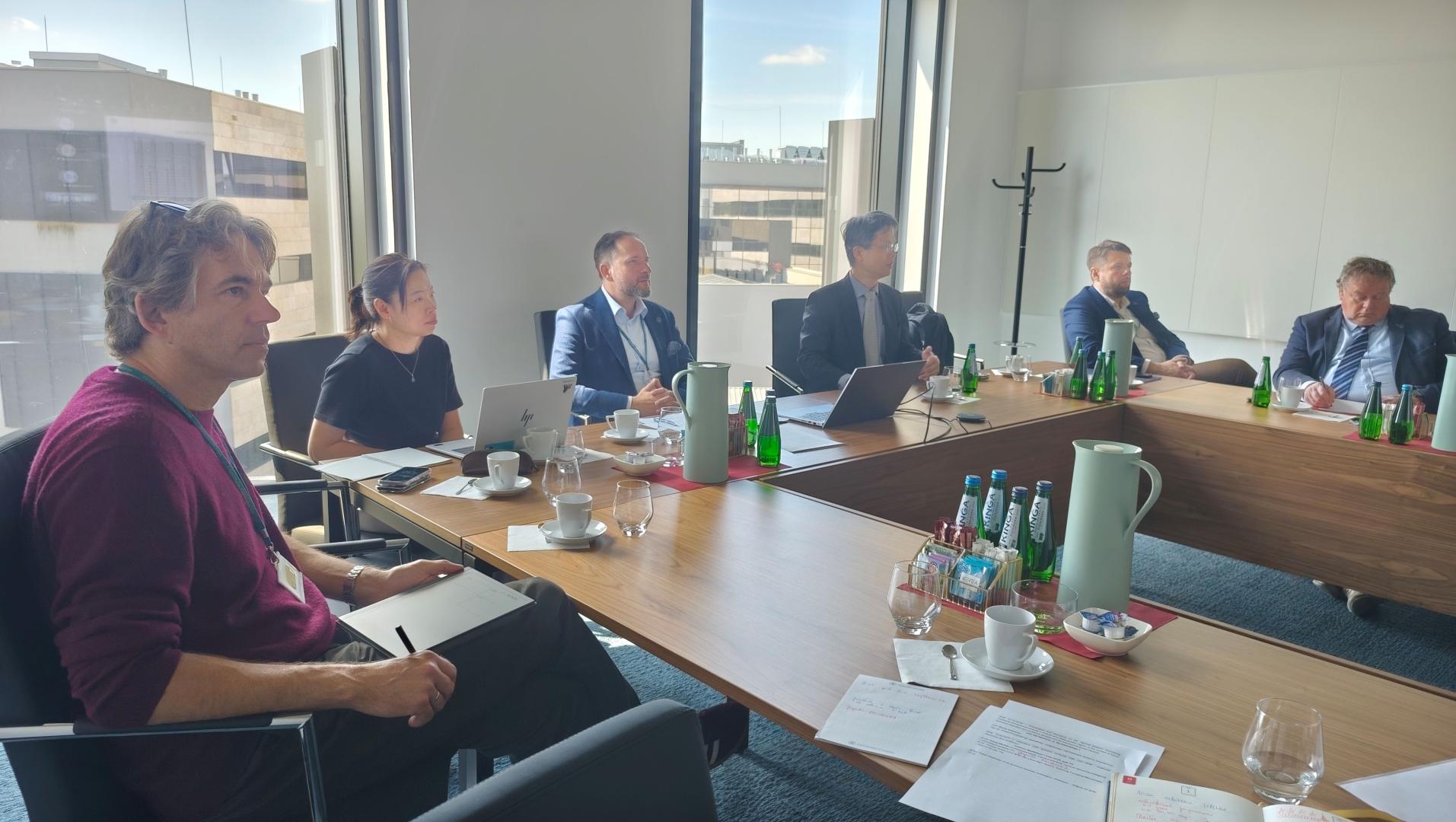
On 2 June 2026, Poznan University of Technology welcomed representatives of TSMC (Taiwan Semiconductor Manufacturing Company) and ESMC (European Semiconductor Manufacturing Company). The visit focused on exploring opportunities for cooperation in educating and training highly qualified professionals for the semiconductor sector, developing educational programmes, and pursuing potential joint research and development initiatives.
The first part of the meeting was attended by representatives of the delegation: Clark Chen (TSMC) and Annie Shen (ESMC), with Charlie Chiang (ESMC), Ming-Yang Kuo (TSMC) and Anita Lee (TSMC) joining online. Poznan University of Technology was represented by, among others, Vice-Rector Prof. Arkadiusz Ptak, deans and vice-deans, as well as academic staff from faculties specialising in computer science, automation, materials science and mechanical engineering.
The visit also included a presentation of the “Czas zawodowców” project, highlighting solutions developed within the initiative to support young people in acquiring technical skills, as well as opportunities to build a skilled talent pipeline for future investments in Europe’s semiconductor industry.
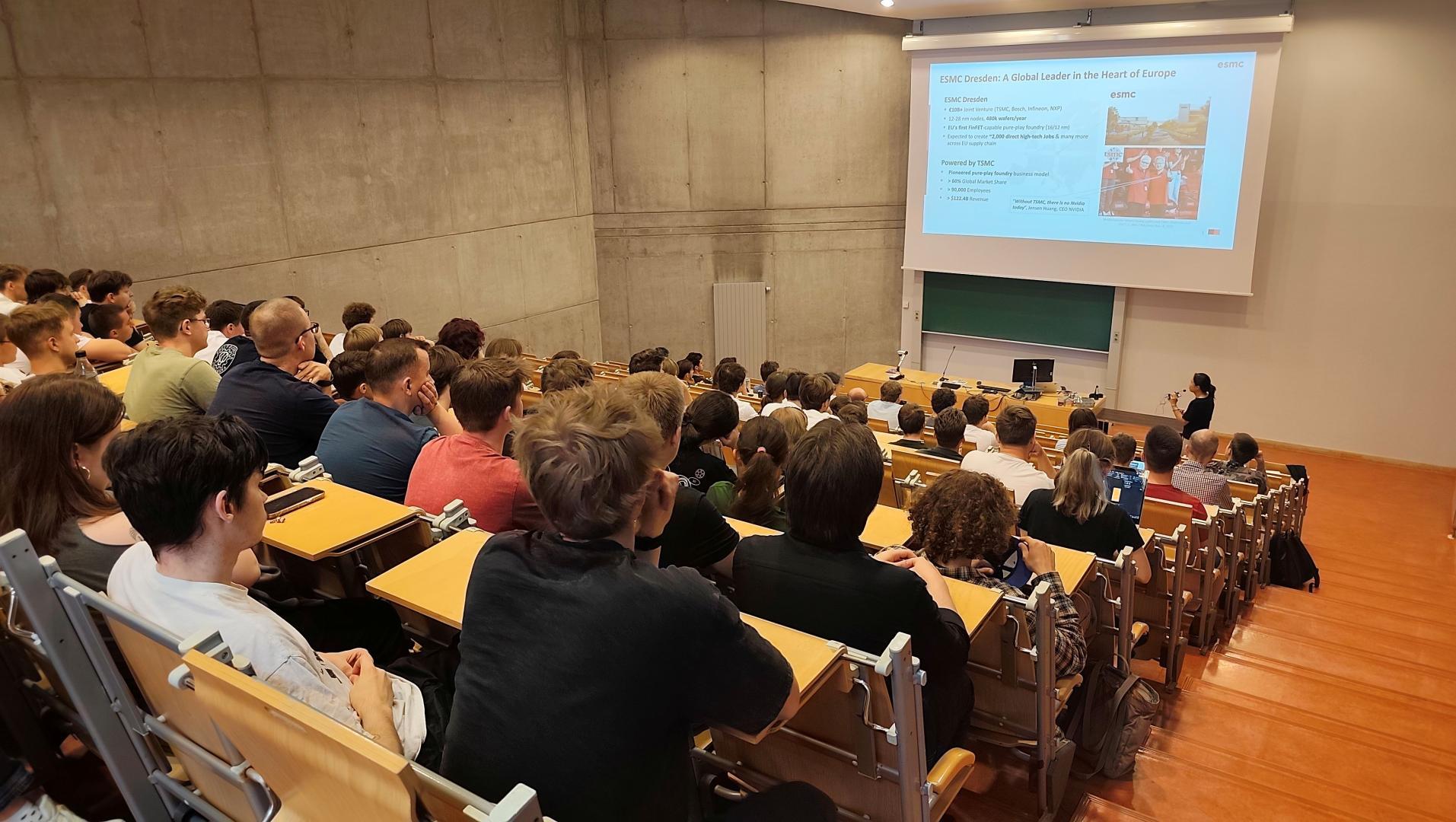
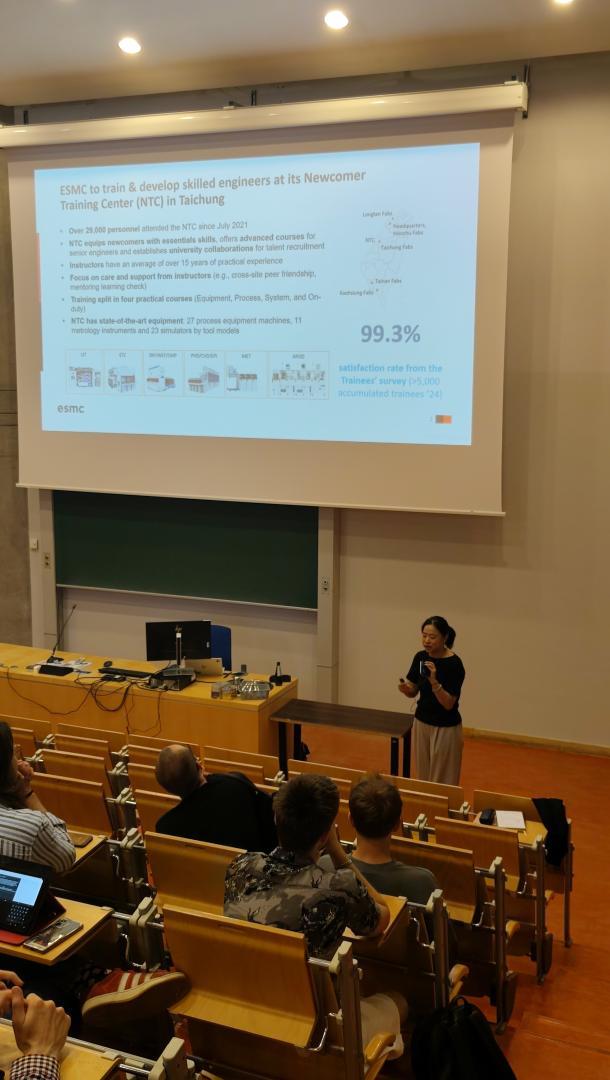
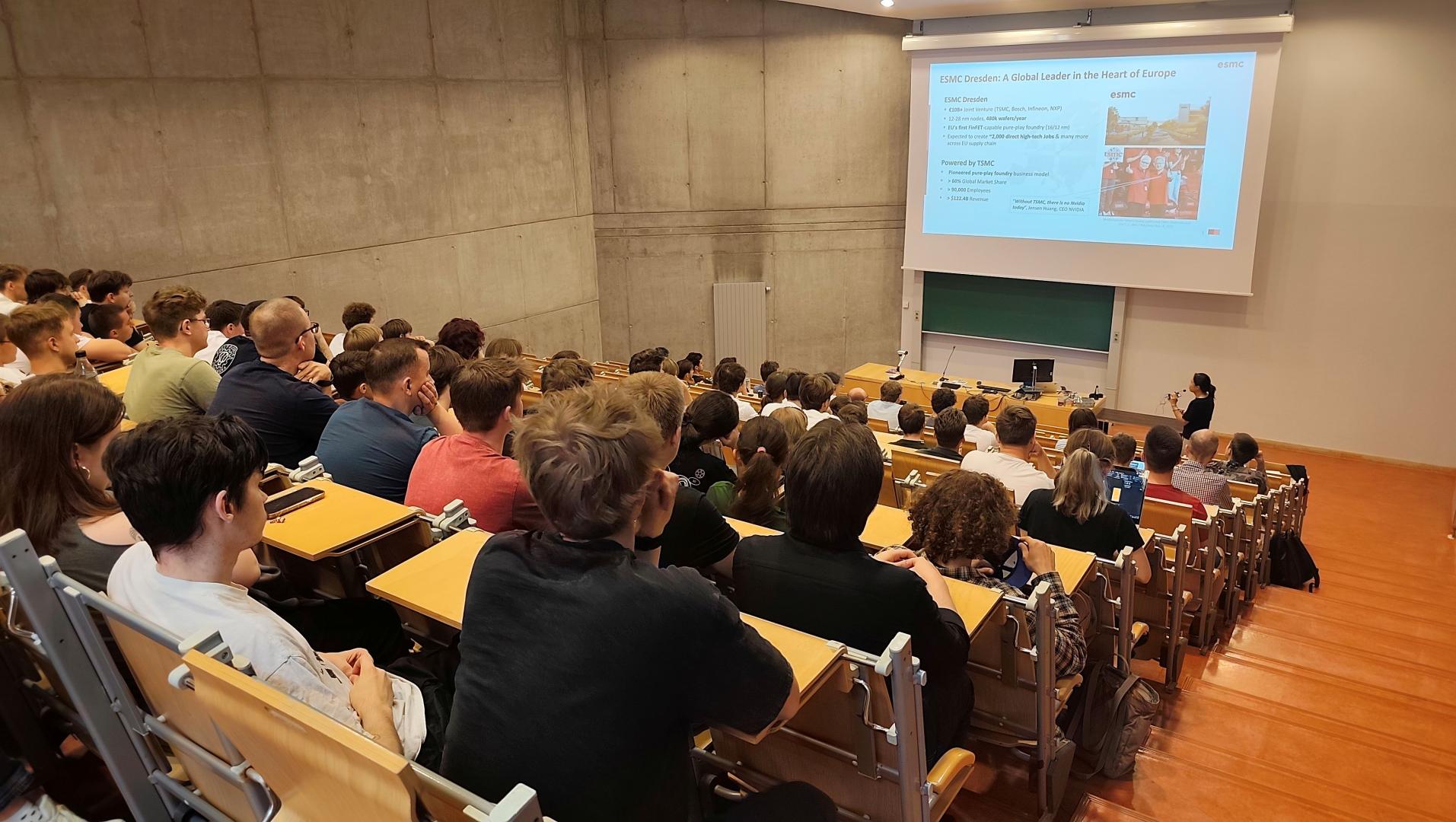
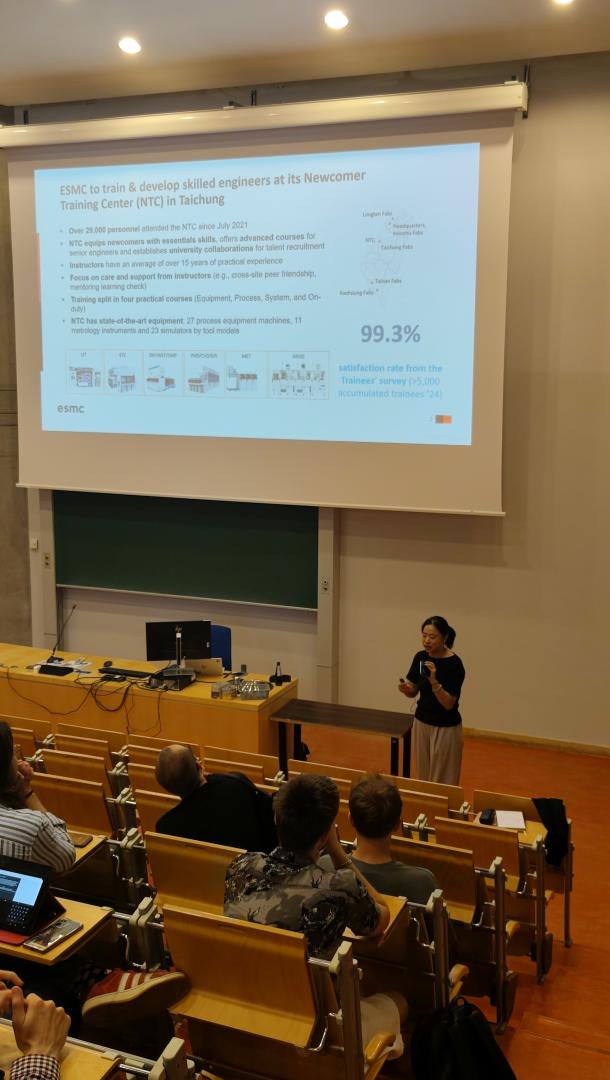
An important part of the visit was an information session for third-year students of Electronics and Telecommunications, Technical Physics, Mechatronics, Automation and Robotics, and Electrical Engineering. Company representatives presented career development opportunities and employment prospects at the new semiconductor manufacturing facility in Dresden. Students also had the opportunity to learn more about programmes designed specifically for graduates of technical universities.
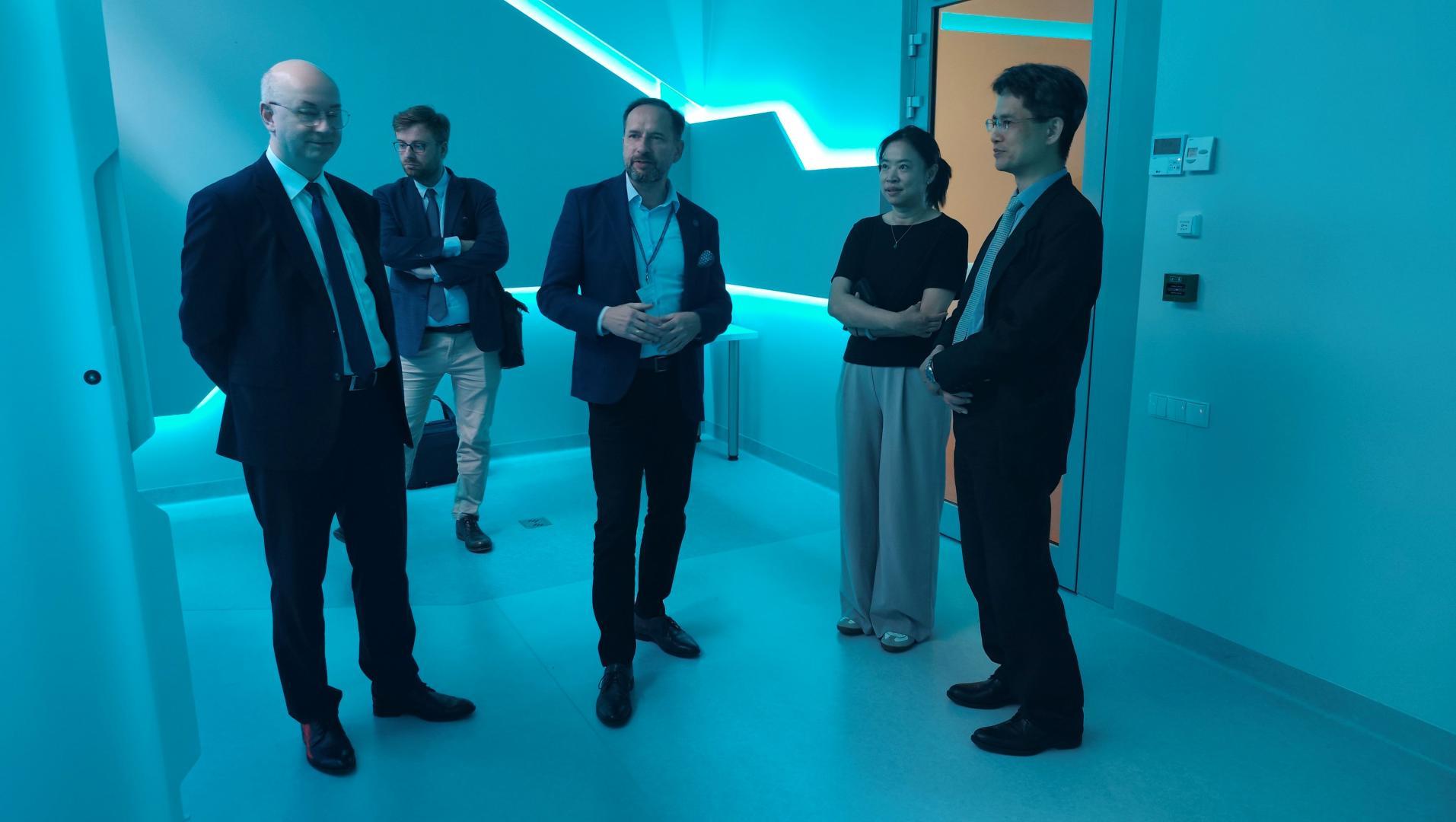
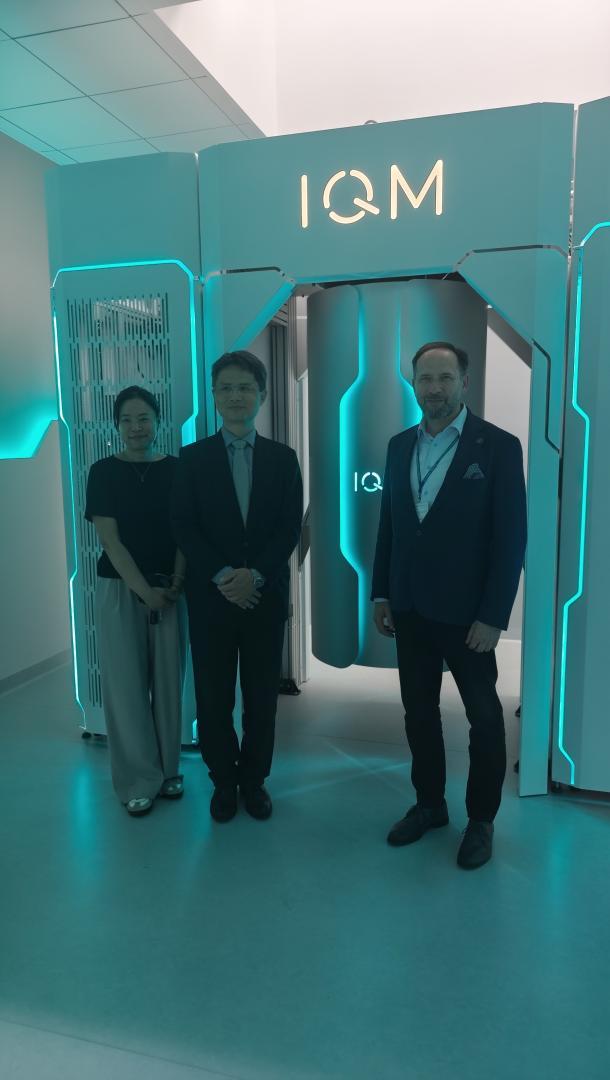
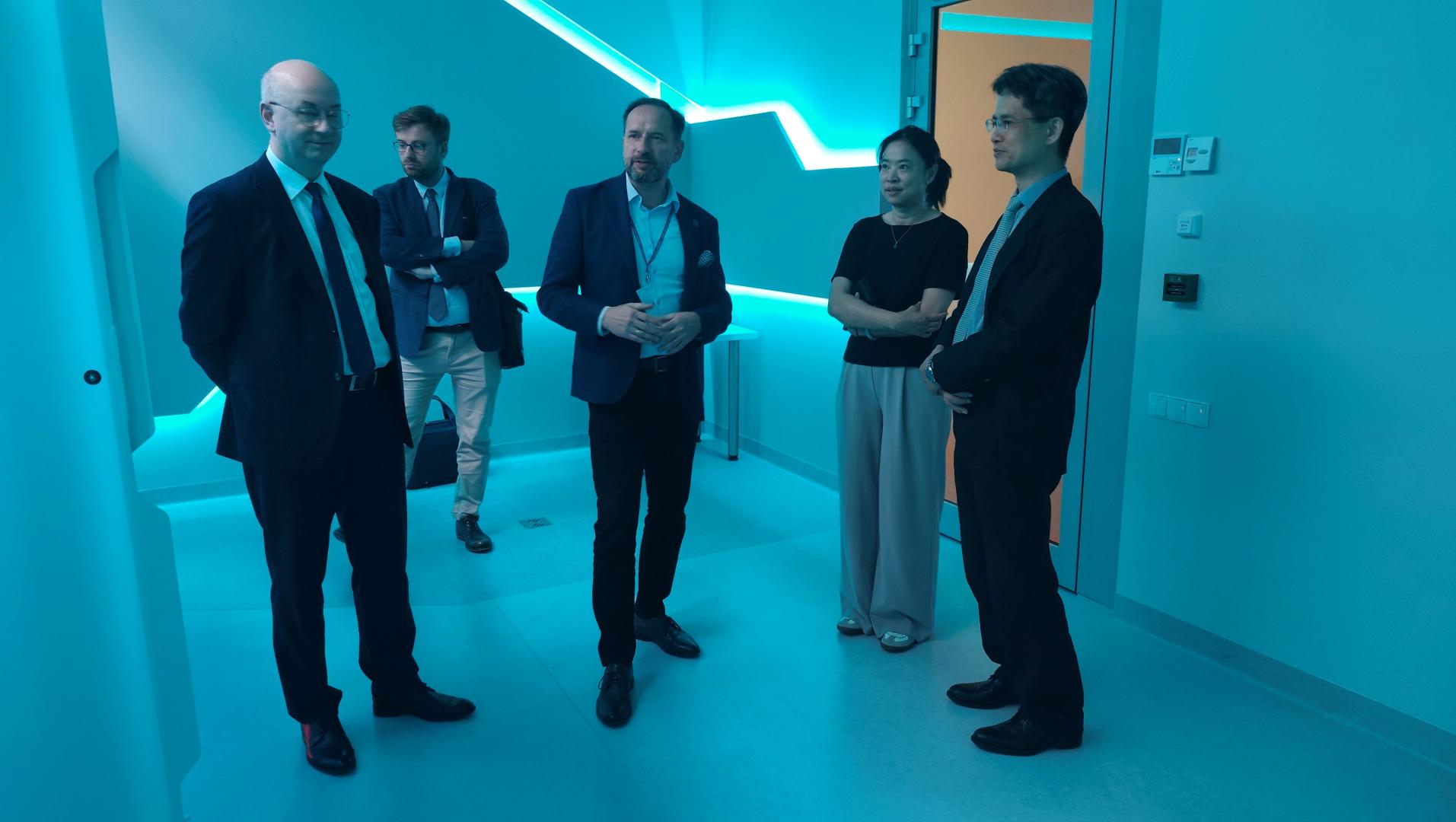
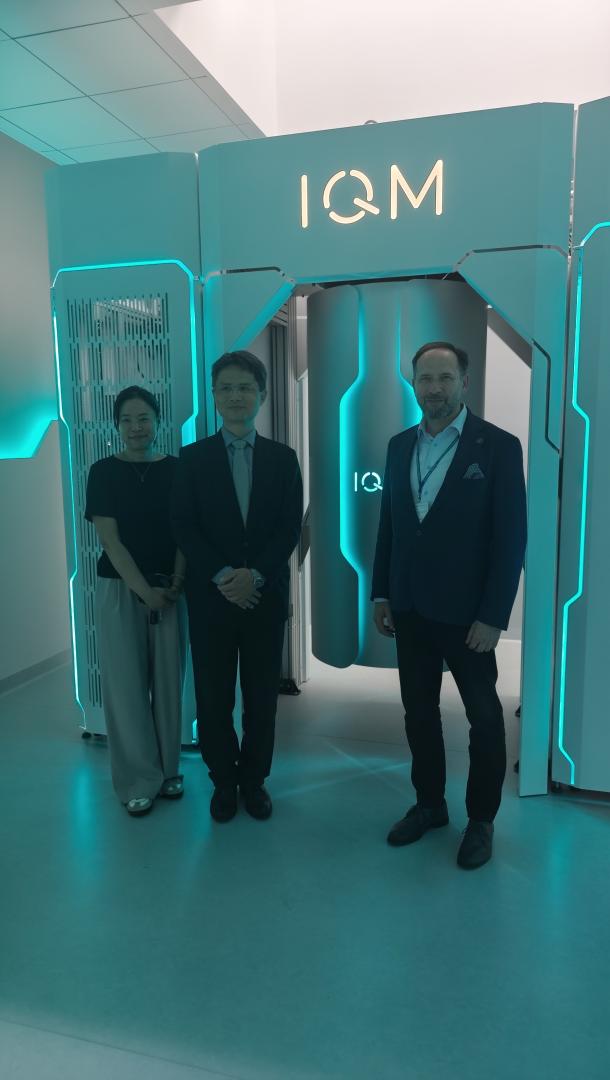
The visit concluded with a tour of selected laboratories at Poznan University of Technology. The guests visited the University’s recently commissioned IQM quantum computer and the UHV STM laboratory, where advanced research is conducted using scanning tunnelling microscopy under ultra-high vacuum conditions.